

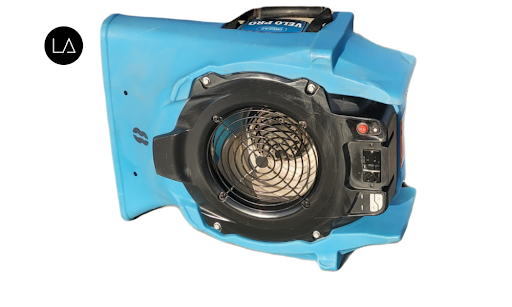
Water damage does not end when surfaces appear dry. Many property owners struggle with a common dilemma: knowing exactly when to stop using drying equipment. Removing air movers or dehumidifiers too early can leave hidden moisture trapped within walls, floors, and ceilings. This trapped moisture can lead to structural weakening, mold growth, and lingering odors.
On the other hand, keeping equipment running for longer than necessary increases energy consumption, rental costs, and wear on the machines without providing meaningful benefits. Property owners often make decisions based solely on visual inspection, which rarely reflects the full moisture content of affected materials.
Los Angeles Restoration Rentals helps homeowners and professional contractors navigate this process by providing high-quality drying equipment and guidance on proper setup, measurement, and timing. Understanding when to stop using drying equipment is essential for protecting property, minimizing costs, and avoiding delayed issues caused by water damage.
Why Stopping Too Early Causes Hidden Damage
Stopping the drying process too early can have consequences that are not immediately visible. Materials like drywall, wood, and insulation can retain water internally even when surfaces feel dry to the touch. Wood may swell or warp, drywall can lose structural integrity, and insulation may stay damp, creating an environment conducive to mold growth.
Hidden moisture also allows bacteria to thrive, which can cause long-term odor problems and even affect indoor air quality. These issues often manifest days or weeks after the initial water damage has been addressed. Trapped water weakens materials, increases the risk of microbial growth, and raises repair costs.
Warping, staining, and microbial activity often require additional remediation, which could have been avoided with proper monitoring and equipment use. This is why premature removal of drying tools can be far more costly and disruptive than leaving them running for a carefully calculated duration.
Using Moisture Readings to Determine Drying Completion
Moisture readings are the most reliable method for determining when to stop using drying equipment. Professionals rely on moisture meters, pin meters, and hygrometers to measure the moisture content of materials and the humidity of the air. Comparing readings to unaffected areas helps establish a baseline for what “dry” should look like.
Tracking moisture levels daily allows professionals to identify trends and determine if moisture is still being actively removed or if stabilization has been reached. When readings remain consistent over a period of 24 to 48 hours, it usually indicates that the materials have returned to their normal moisture range.
Without using these readings, property owners are forced to rely on visual cues alone, which can be misleading. Surfaces may appear dry, but internal layers of drywall or wood can still retain moisture, creating a long-term risk. Using measurement-based methods ensures that equipment is removed only when drying is truly complete.
Understanding Drying Patterns and Equipment Efficiency
Drying does not happen at a uniform rate. Typically, the process follows a curve, starting with rapid moisture removal, slowing as surface moisture decreases, and finally reaching a plateau where the removal rate becomes minimal. The plateau phase can confuse property owners because equipment is still running, yet visible progress is limited. It is essential to understand whether the plateau indicates genuine dryness or whether airflow, placement, or environmental conditions are limiting efficiency.
Drying equipment also becomes less effective as the moisture content of the material decreases. Dehumidifiers collect less water over time, and air movers may circulate dry air without further evaporating moisture. Recognizing this pattern helps property owners avoid unnecessary operation of equipment, which wastes energy and increases rental expenses without improving outcomes.
Monitoring performance indicators like water collection in dehumidifiers, air humidity trends, and changes in surface or internal moisture helps determine when the equipment is still contributing meaningfully to the drying process.
The Importance of Airflow and Equipment Placement
Proper airflow and equipment placement are critical factors in ensuring that the drying process is thorough. Poorly positioned air movers may leave pockets of moisture trapped in corners, under cabinets, or behind walls, creating hidden damp zones. These areas are particularly susceptible to mold growth and structural deterioration if overlooked.
Before stopping the drying process, it is vital to confirm that airflow has reached all affected zones. Adjusting equipment placement to account for obstacles, irregular room layouts, and material types ensures that drying is uniform. Even subtle differences in airflow can significantly affect moisture removal rates.
Professional guidance from companies like Los Angeles Restoration Rentals ensures that machines are positioned optimally to maximize drying efficiency, reduce hidden moisture, and minimize the likelihood of delayed water damage complications.
Material-Specific Drying Considerations
Different materials have unique water retention properties, which affect drying time and the proper moment to remove the equipment. Wood is highly absorbent and dries slowly, particularly thick beams or hardwood flooring. Concrete may hold water deep within its porous structure, releasing it gradually over several days, even if the surface seems dry. Carpets can dry on top quickly, but the padding underneath may remain damp for much longer.
Insulation materials, especially fiberglass, can hold moisture in internal layers and require prolonged drying to prevent mold or odor issues. A surface-based inspection alone cannot confirm dryness across all materials. A proper assessment should include surface checks, internal readings, and environmental measurements. Understanding the unique drying characteristics of each material is essential for ensuring complete and safe moisture removal.
Environmental Factors Affecting Drying
Environmental conditions significantly impact the drying process. High humidity slows evaporation, low temperatures reduce the efficiency of dehumidifiers and air movers, and inadequate ventilation can trap moisture in specific areas. Sudden changes in weather or indoor climate can alter drying timelines, making it necessary to adjust equipment usage accordingly.
For instance, a sudden increase in humidity caused by rain or poor HVAC performance can extend drying times, even if materials appeared close to dry previously. Monitoring environmental conditions is crucial for determining when it is safe to stop drying equipment. This approach ensures that external factors do not leave residual moisture that could create long-term damage or mold risk.
Final Checks Before Shutting Down Equipment
Before removing drying equipment, a comprehensive final inspection is essential. Moisture readings should be within the normal range, air humidity should be stable, and there should be no damp or musty odors that indicate hidden moisture. Walking through every affected area, including corners, under cabinets, and inside closets, ensures no zone is overlooked. Only after these checks confirm uniform dryness is it safe to remove the equipment.
Los Angeles Restoration Rentals provides high-quality air movers, dehumidifiers, and other drying tools that support this verification process, ensuring property owners and contractors can safely and efficiently conclude drying operations. Whether handling a small water incident or a major restoration project, following measurement-based guidance and final inspections ensures a complete, cost-effective, and safe drying process.