

Yes, DIY water remediation is possible for small, contained water events caught within 24 hours. The scope of damage determines whether you can handle it or need professional help. For jobs under 10 square feet with no structural saturation, basic drying equipment is enough.
Larger losses involving subfloor, wall cavities, or standing water require remediation equipment rental to dry materials properly. LA Restoration Rentals in Los Angeles provides the same commercial-grade equipment used by professional restoration contractors, available to homeowners and DIY crews by the day.
What DIY Remediation Actually Involves
Water remediation is not just mopping up water. It is a structured drying process designed to return building materials to acceptable moisture levels before mold can colonize.
The full process includes:
- Stopping the water source completely before any drying begins
- Extracting standing water using a wet vacuum or pump
- Removing saturated porous materials that cannot be dried in place
- Setting up air movers and dehumidifiers to dry structural materials
- Monitoring moisture levels daily with a pin-type or non-invasive meter
- Confirming all materials reach baseline moisture before equipment is removed
Skipping any step extends drying time and raises mold risk. The Los Angeles County Department of Risk Management states that wet materials not dried within 24 to 48 hours require removal rather than drying. That window is narrow, and having the right remediation equipment rental in place fast is what makes DIY feasible.
When DIY Is Appropriate and When It Is Not
Not every water loss qualifies for a DIY approach. Attempting self-remediation on a large or contaminated loss can spread damage and increase total repair costs.
DIY remediation is appropriate when:
- The water source is clean supply water from a pipe or appliance
- The affected area is under 100 square feet
- Damage was caught and water removed within 24 hours
- No wall cavities, insulation, or structural framing are saturated
- No mold growth is visible yet
DIY is not appropriate when:
- Water comes from a sewage line, storm drain, or floodwater
- Damage covers multiple rooms or involves structural framing
- More than 48 hours passed before water was removed
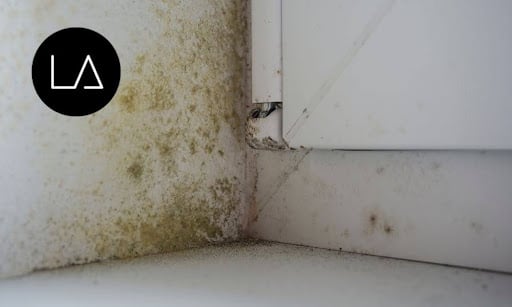
- Visible mold is already present before drying begins
- Asbestos or lead-based materials may be present in older Los Angeles homes built before 1980
The LA County Risk Management mold and moisture guide recommends that remediation jobs covering more than 30 square feet be handled by an experienced contractor. For everything under that threshold, a properly equipped DIY crew can achieve professional results.
Equipment You Need for DIY Water Remediation
The difference between effective DIY remediation and a failed attempt comes down to equipment. Consumer fans and household dehumidifiers do not move enough air or remove enough moisture to dry structure within the safe window.
Minimum equipment for a proper DIY drying setup:
- Wet vacuum or water extractor to remove standing water before air drying begins
- Air movers to create high-velocity airflow across wet surfaces and pull moisture into the air
- Commercial dehumidifier to capture airborne moisture continuously
- Moisture meter to track drying progress in floors, walls, and framing
- Plastic sheeting and tape to contain the drying area and prevent moisture migration
LA Restoration Rentals carries the Dri-Eaz Velo Pro and Viking 2200EX air movers starting at $25 per day. The Dri-Eaz Drizair 1200 dehumidifier rents at $60 per day and handles rooms up to approximately 1,200 square feet. Pairing two to three air movers with one dehumidifier covers most single-room residential water losses effectively when set up correctly.
How to Set Up Drying Equipment Correctly
Placement matters as much as the equipment itself. Incorrect positioning reduces drying efficiency and extends the rental period unnecessarily.
Air mover placement rules:
- Position air movers at a 45-degree angle facing wet walls and floors
- Space units approximately 10 to 16 feet apart along the perimeter of the affected area
- Do not point air movers directly into open wall cavities if mold may already be present
- Run air movers continuously, 24 hours a day, for the full drying period
Dehumidifier placement rules:
- Place the dehumidifier in the center of the drying area for best air circulation
- Keep intake and exhaust vents unobstructed at all times
- Use the built-in pump or connect a drain hose to avoid manual emptying
- Keep doors and windows closed in the drying area to prevent humid outside air from entering
Remediation Equipment Rental units from LA Restoration Rentals include the Dri-Eaz LGR 7000XLi for larger losses at $85 per day. This unit removes up to 210 pints of moisture per day and runs continuously without manual intervention, which matters on a multi-day drying job.
Monitoring Progress and Knowing When You Are Done
Running equipment without tracking moisture levels is a common DIY mistake. You cannot confirm a job is complete without measurements.
Use a moisture meter to check:
- Wood subfloor readings should return to 12 to 15 percent moisture content
- Drywall should read below 1 percent using a non-invasive meter
- Concrete slab readings should come within 2 percent of an unaffected reference point nearby
- Wall framing lumber should read below 19 percent before closing up cavities
Check readings at the same locations every 24 hours. If readings stop dropping for two consecutive days, reassess the setup. Check for hidden moisture in adjacent wall cavities or beneath flooring that air movers may not be reaching. Opening wall cavities with a drill and inserting a drying injectidry system may be needed for stubborn pockets.
What Can Go Wrong With DIY Remediation
DIY water remediation fails most often because of underequipping, stopping too early, or missing hidden moisture.
Common DIY mistakes:
- Using household fans instead of commercial air movers, which lack the CFM output to dry structure
- Removing equipment after two days based on how the floor feels rather than meter readings
- Missing moisture trapped inside wall assemblies behind intact drywall
- Not containing the drying area, allowing humidity to spread to adjacent rooms
- Ignoring subfloor moisture while focusing only on surface flooring
These mistakes result in mold growth appearing two to four weeks after the initial loss, long after the water event seems resolved. At that point, the scope of remediation equipment rental and repair work is significantly larger than the original event required.
For help selecting the right equipment combination for your job size in Los Angeles, contact us at (310) 493-2162. The team will match the right air movers, dehumidifiers, and air scrubbers to your specific loss so your DIY remediation gets done right the first time.