

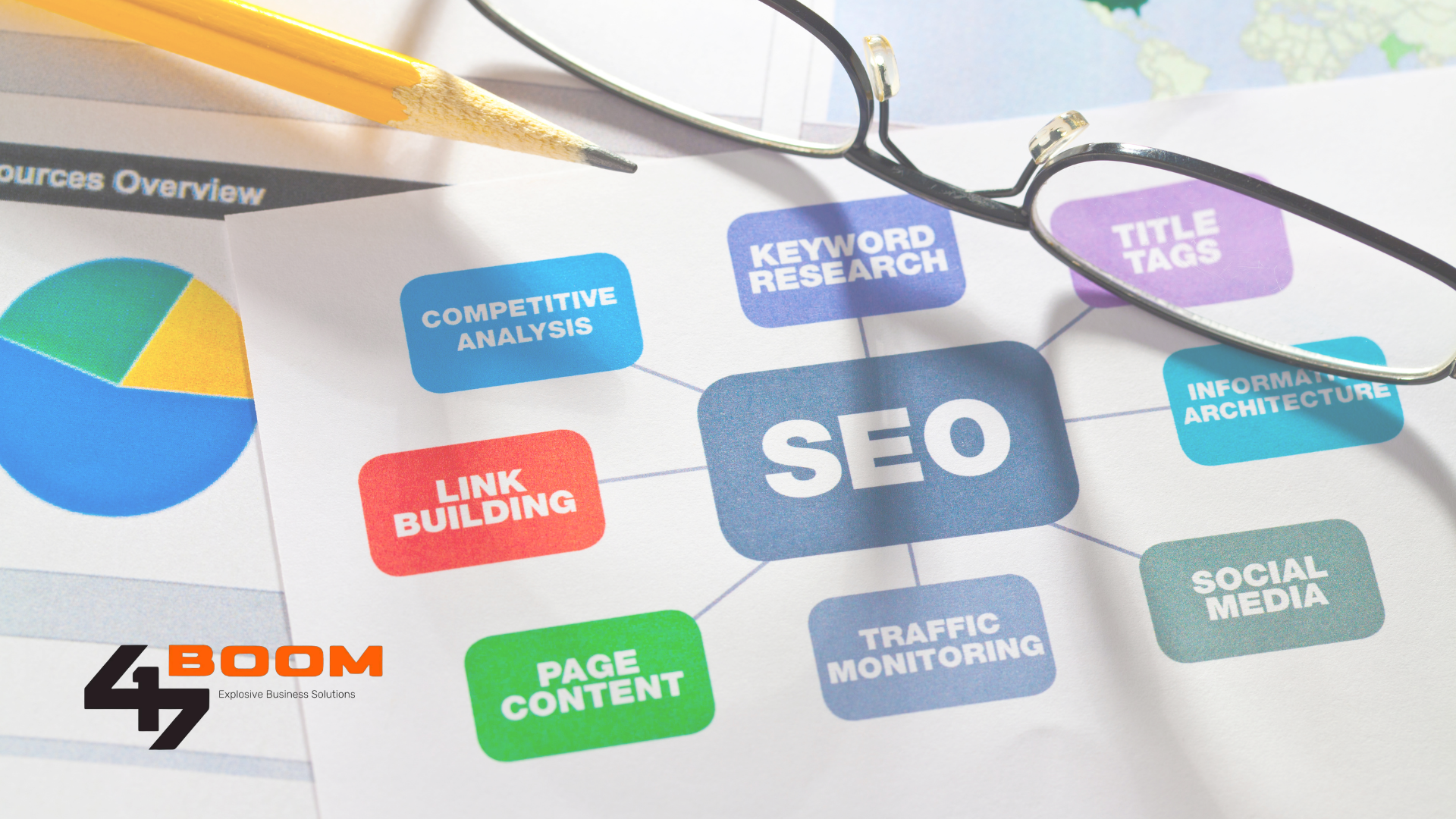
SEO is evolving, not dead. Search engines still send traffic to online stores, but the methods have changed. Ecommerce SEO services now blend technical optimization, helpful content, and visibility inside AI-generated results. Stores that adapt keep organic traffic, while those that ignore the shift lose it.
Why People Ask if SEO Is Dead
The question comes from visible changes on the results page. AI-generated summaries now sit above traditional links, answer common queries, and cut clicks to lower results. AI overviews have reshaped search in 2026 and reduced traffic to informational pages that have not adapted. Those declines lead many store owners to doubt whether search optimization still returns value.
The concern rests on three visible trends:
- AI summaries answer simple questions before any click happens.
- Ranking first no longer guarantees the same click volume.
- Informational content faces more competition for limited attention.
The data points to change, not death. Search still drives discovery, and online stores still gain buyers through organic results. The work now looks different from the keyword-focused tactics of past years. Optimization shifted toward trust, structure, and clear answers that both people and machines can read. Search behavior changed too, as more shoppers phrase queries as full questions and expect a direct answer at once.
What Changed in Search by 2026
Search moved from a plain list of links toward synthesized answers. Google now blends AI summaries, product listings, and traditional results on one page. Early 2026 data shows fewer clicks, higher purchase intent, and a stronger preference for recognized brands inside AI results. The shift rewards clarity, structure, and trust over repeated keywords.
The main changes include:
- AI overviews that summarize answers at the top of the page.
- Greater weight on brand recognition and reputation signals.
- Higher value on structured data that machines can read.
- More emphasis on original information over restated facts.
These changes affect how pages get seen, cited, and clicked. They do not remove the need for optimization. They raise the standard for it. A store that ignores these signals fades from view, even when its products match what shoppers want. A store that meets them appears across more places on the results page. The results page became a mix of formats rather than a single ranked list of links.
How Ecommerce SEO Services Evolved
Ecommerce SEO services adapted to match these conditions. The core goal held steady: connect product pages to shoppers who search. The methods expanded to cover new surfaces and new signals. Modern ecommerce SEO services now combine:
- Technical optimization for speed, crawling, and structured data.
- Content built around real questions and buying intent.
- Product markup that feeds AI results and shopping placements.
- Authority signals from reviews, mentions, and consistent branding.
Google’s own guidance points in the same direction. Google’s ranking systems favor helpful, reliable content made for people rather than content built to manipulate rankings. Google’s guidance on helpful content that shapes ecommerce SEO services explains how quality, expertise, and trust affect whether a page appears in search.
The lesson for online stores is direct. Content written to serve buyers performs better than content written only to chase rankings. Providers now audit sites for AI readiness, structured markup, and content depth as part of standard work.
Signals That Now Drive Rankings
Rankings depend on more than keywords in 2026. Search engines weigh experience, authority, and trust across a whole site. For online stores, several signals carry added weight:
- Original product descriptions that replace copied manufacturer text.
- Structured data that marks up prices, stock, and reviews.
- Consistent brand identity across the site and the wider web.
- Fast, mobile-ready pages that load without friction.
- Genuine reviews and ratings that support buyer decisions.
These signals help both traditional results and AI summaries. A page that reads clearly for people also reads clearly for the systems that build AI answers. Clarity, structure, and accuracy now serve two audiences at once.
The stores that rank well treat these signals as connected parts of one system rather than separate tasks. Search engines also read how a brand appears across other sites, from reviews to social profiles to news mentions.
What Still Works From Traditional SEO
Many older practices remain effective. The foundation of search optimization did not collapse. It expanded. Practices that still hold value include:
- Keyword research that maps search demand to product and category pages.
- Clean site architecture that groups products into logical categories.
- Internal linking that guides both crawlers and shoppers.
- Technical health that keeps pages indexable and fast.
- Original content that answers questions competitors ignore.
These methods still move rankings. The difference is that they now work alongside AI visibility rather than in place of it. Stores that keep strong fundamentals adapt to new surfaces faster. A site with clean structure and original content already meets many of the standards that AI results reward, which lowers the cost of adapting. Good fundamentals age well.
How Stores Measure SEO in 2026
Measurement expanded to match the new results page. Rankings alone no longer show the full picture. Stores now track a wider set of metrics:
- Organic traffic to product and category pages.
- Visibility inside AI overviews and featured answers.
- Keyword rankings for buying-intent terms.
- Conversion rate from organic visitors to buyers.
- Revenue attributed to organic search.
These figures show whether the work reaches shoppers and drives sales. They also reveal where AI results replace clicks, so stores can adjust content and structure. Measurement guides the next round of optimization rather than closing the file on it. A store that reviews these numbers each month can spot lost visibility early and respond before it affects revenue. Some stores also track branded search volume as a sign of growing recognition and trust.
What This Means for Online Stores
- SEO is evolving, not dead; search still drives discovery for online stores.
- AI overviews changed clicks, brand weight, and content standards.
- Ecommerce SEO services now combine technical work, helpful content, and structured data.
- Trust, originality, and clarity now shape both rankings and AI visibility.
- Measurement covers organic traffic, AI visibility, and revenue from search.
Search rewards stores that treat optimization as ongoing rather than finished. Ecommerce SEO services give online retailers a structured way to hold visibility as the results page keeps changing.
417 Boom works with stores that want product pages to appear in both traditional and AI-driven results. Retailers comparing providers of ecommerce SEO services can review methods, timelines, and reporting before deciding on a direction.