

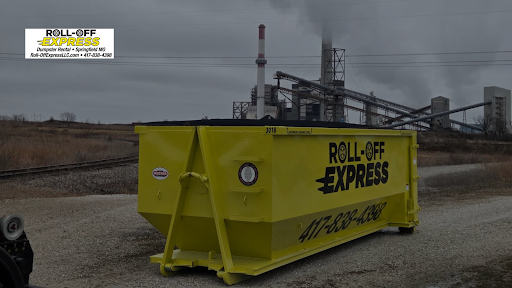
A whole house cleanout usually calls for a 20 or 30 yard container. Most Springfield dumpster rentals in that range handle a three-bedroom home cleared down to the walls. Square footage gives a starting point, but how densely the rooms are packed decides the final answer. A sparsely furnished 2,000 square foot house often produces less debris than a crowded 1,200 square foot one.
Start With a Baseline by Home Size
Home size is the fastest rough filter, though it should be treated as a floor rather than a final number.
Typical starting points for a full clearing:
- Studio or one bedroom, under 800 square feet: 15 yard container.
- Two bedroom, 800 to 1,400 square feet: 20 yard container.
- Three bedroom, 1,400 to 2,200 square feet: 30 yard container.
- Four bedroom or larger, or any home with a full basement: 30 yard container, sometimes two.
These assume a normally furnished home being emptied completely. Partial cleanouts drop a size. Homes with decades of accumulation move up a size or add a swap.
Density Matters More Than Square Footage
Two houses of identical size can produce wildly different debris volumes. The variable is how much has accumulated, and it is the single most common source of undersizing.
Density signals that push the estimate upward:
- Attic, basement, or crawl space used for long-term storage.
- Garage where a vehicle no longer fits.
- Closets packed floor to ceiling.
- Multiple generations of furniture kept in place.
- Boxes stacked more than three high in any room.
Density signals that allow a smaller size:
- Rooms are already partly cleared.
- Furniture being sold, donated, or moved rather than discarded.
- Recent occupancy, under five years.
- Appliances staying with the property.
A walk-through with a notepad beats any square footage formula. Counting large items room by room takes twenty minutes and prevents an expensive second haul.
Room-by-Room Volume Estimates
Adding up rooms individually produces a more reliable figure than estimating the house as a whole. Rough averages for a fully cleared room follow.
- Bedroom: 3 to 5 cubic yards, more if a bed set is included.
- Living room: 4 to 7 cubic yards, driven by sofas and shelving.
- Kitchen: 3 to 6 cubic yards, higher if cabinets come out.
- Bathroom: 1 to 2 cubic yards, unless fixtures are removed.
- Garage: 5 to 12 cubic yards, the widest range in any home.
- Basement: 6 to 15 cubic yards depending on use.
- Attic: 3 to 8 cubic yards.
Total the rooms, then add 20 percent. Nearly everyone underestimates, and the padding costs less than an extra pull. A closer look at how large containers get filled in practice is available in this breakdown of what fits in a 30 yard container.
What Has to Come Out First
Every whole house cleanout surfaces a category of material that cannot go in the container at all. Sorting it out before delivery keeps the load clean and the crew safe.
Cabinets, garages, and utility rooms accumulate products that are corrosive, flammable, reactive, or toxic. Disposal guidance for common household chemicals sorts these into clear categories, and a few of the most frequent finds are worth naming:
- Latex and oil-based paint: hold for a hazardous waste collection, or place in the trash only once fully hardened.
- Motor oil and automotive batteries: recycle rather than discard, and never mix oil with anything else.
- Gasoline, kerosene, and diesel: hold for collection in an approved container away from heat and spark.
- Pesticides, weed killers, and rodent poison: hold for collection rather than bagging.
- Household batteries: hold for collection, with button batteries recycled separately.
- Empty aerosol cans: acceptable in regular trash once fully discharged.
The reason for the separation is practical. Chemicals thrown into a general load have ignited in collection trucks and injured haulers through fumes and splashing. Missouri also restricts small quantities of hazardous waste from sanitary landfills.
When to Book a Swap Instead of a Bigger Box
Bigger is not always the right adjustment. Sometimes two smaller pulls beat one oversized container.
A swap works better when:
- Driveway space cannot accommodate a 30 yard container, which runs about 20 feet long.
- The cleanout happens over multiple weekends rather than a single push.
- Heavy material like tile or plaster would blow past the tonnage cap of one box.
- Access requires the container to sit clear of the garage door.
A single larger container works better when:
- The work happens in one concentrated stretch.
- Labor is hired by the day.
- The material is bulky but light, such as furniture and boxes.
- Delivery scheduling is tight.
Comparing container dimensions and tonnage allowances across available dumpster rentals usually makes the choice obvious once the driveway measurement is known.
Frequently Asked Questions
Cleanout sizing raises a consistent set of questions. Short answers follow.
How many pickup truck loads fit in a 20 yard container?
Roughly six to eight full-size truck beds, depending on how the material is loaded.
Can furniture be counted separately from boxes?
It should be. Furniture drives volume while boxes drive weight, and estimating them together hides both problems.
What if the container fills before the house is empty?
Most companies will schedule a swap, usually within a day or two. Booking that possibility in advance speeds it up.
Does an estate cleanout need a different size than a move-out?
Often yes. Estate clearings tend to involve longer accumulation and more stored material, which pushes toward the larger end.
How long is a typical rental for a full cleanout?
Seven to ten days covers most whole-house work. Weekend-only crews should ask about a longer window at booking.
Landing on a Size Before Delivery
Sizing a whole house cleanout comes down to three steps: set a baseline from home size, adjust for how packed the rooms are, then add padding. For most three-bedroom homes cleared completely, a 30 yard container handles the job in one pull.
Smaller homes and partial cleanouts fit comfortably in a 20 yard. Anyone caught between two sizes generally does better with the larger one, since a single extra pull costs more than the difference. Container dimensions, weight allowances, and what each size holds are listed at Roll-Off Express for anyone still working through the estimate.