

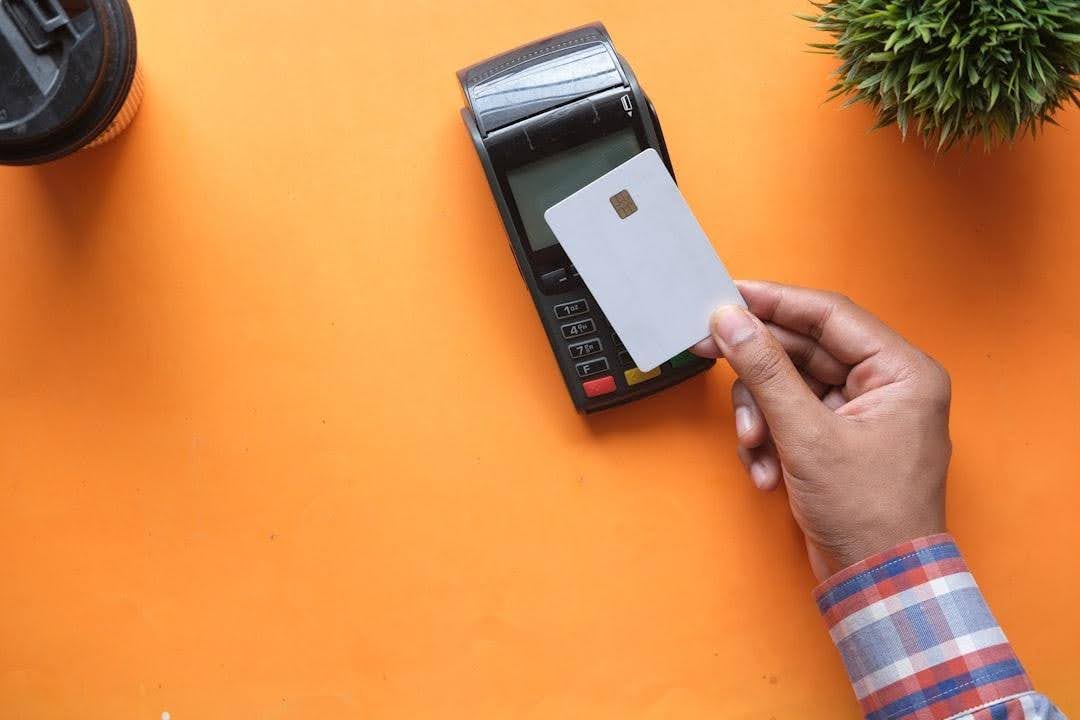
Free equipment offers are one of the most common marketing hooks in payment processing sales, and on the surface they sound like an unambiguous win: a business avoids the upfront cost of a card terminal, sometimes several hundred dollars, simply by signing up with a specific provider.
The reality is considerably more nuanced, since equipment that appears free at signup is rarely actually free in any meaningful economic sense. The cost is recovered through the processing relationship itself, whether via a higher ongoing rate, a longer contract commitment, or an early termination fee designed to recoup the equipment cost if the business leaves too soon.
Understanding how these offers actually work financially helps a business evaluate whether a specific free equipment deal genuinely represents good value or whether the equipment cost has simply been repackaged into a less visible, and potentially more expensive, ongoing cost.
How Providers Recover the Cost of Free Equipment
A payment processor offering free equipment has several mechanisms available to recover that upfront cost over the life of the relationship, and understanding which mechanism a specific offer uses helps clarify the true cost.
- A slightly elevated processing rate that recoups the equipment cost gradually over the contract term
- A longer minimum contract length, ensuring enough processing volume flows through to justify the equipment cost
- An early termination fee specifically calibrated to the remaining unrecovered equipment cost
- A monthly equipment rental or lease fee disguised as a general account maintenance charge
A provider using any single one of these mechanisms is not necessarily acting in bad faith. Equipment does have a real cost that must be recovered somehow, but a business should understand which mechanism applies to their specific offer before assuming the equipment is genuinely free with no offsetting cost elsewhere.
Calculating the True Cost of a Free Equipment Offer
Comparing Rates With and Without Free Equipment
Most providers offering free equipment also offer a lower rate option for businesses that purchase equipment outright, and comparing these two paths directly reveals exactly how much the free equipment is actually costing through the elevated rate.
Modeling the Breakeven Point
A business can calculate roughly how many months of elevated rate payments it would take to exceed the actual retail cost of the equipment, which reveals whether the free equipment offer is genuinely favorable for that business’s expected relationship length with the provider.
When Free Equipment Genuinely Makes Sense
Despite the hidden cost mechanisms, free equipment offers do make genuine financial sense in certain situations, particularly for businesses with limited upfront capital or those uncertain about their long-term commitment to a specific processor relationship.
Businesses weighing a free equipment offer against outright purchase should still compare the total relationship cost against alternative cheapest payment processor options, since the value of avoiding an upfront cost needs to be weighed against the ongoing rate premium involved.
A new business with genuinely limited startup capital may reasonably prioritize avoiding the upfront equipment cost even at a modest rate premium, while an established business with available capital and a clear long-term commitment may come out ahead purchasing equipment outright at a lower ongoing rate.
Questions to Ask Before Accepting a Free Equipment Offer
A short set of direct questions to the provider clarifies exactly how a specific free equipment offer is structured, avoiding the assumption that all such offers work identically.
- What is the processing rate with the free equipment compared to purchasing equipment outright
- What happens to the equipment, and any remaining obligation, if the business switches processors later
- Is there a minimum contract length specifically tied to the free equipment offer
- What is the actual retail cost of the equipment being offered for free
Getting clear, specific answers to these questions before signing avoids the common experience of a business only discovering the real cost structure months into a contract they cannot easily exit.
How to Compare Multiple Free Equipment Offers Fairly
A business considering free equipment offers from several different providers benefits from a structured comparison rather than simply choosing whichever offer sounds most generous on the surface, since the underlying cost recovery mechanism varies between providers.
- Request the specific processing rate attached to each free equipment offer under comparison
- Ask each provider directly what the retail value of the offered equipment actually is
- Compare contract length and early termination terms attached to each specific offer
- Calculate the effective total cost of each offer applied against your own expected volume
This structured comparison reveals that not all free equipment offers are structured equally, even when the equipment itself looks similar, since the rate premium and contract terms attached can vary meaningfully between providers.
What Happens to the Equipment If You Switch Later
A frequently overlooked detail in free equipment offers is what actually happens to the equipment, and any remaining financial obligation tied to it, if a business decides to switch processors before the underlying contract term concludes.
- Some providers require the equipment to be returned if the business switches early
- Others allow the business to keep the equipment but still owe an early termination fee
- A few providers structure the offer so the equipment becomes fully owned after a certain period
- Understanding this upfront avoids an unpleasant surprise if switching becomes necessary later
Asking this specific question before signing protects a business from discovering, only after wanting to switch, that the free equipment came with more strings attached than initially understood.
Making an Informed Equipment Decision
Neither free equipment nor outright purchase is universally the better choice, and the right decision depends on a business’s available capital, expected transaction volume, and confidence in its long-term commitment to a specific provider relationship.
Businesses that model both paths explicitly, rather than defaulting to whichever option sounds more appealing in a sales conversation, make a more informed decision that genuinely reflects their own specific financial situation and business trajectory.
This deliberate approach to what might otherwise seem like a minor equipment decision protects a business from an avoidable, ongoing cost that compounds over the full life of the processing relationship.
A few minutes of upfront comparison consistently proves worthwhile relative to the potential ongoing cost difference between a well-chosen and poorly-chosen equipment path.
This small effort protects against years of unnecessary rate premium.
The comparison is quick; the savings compound for the life of the contract.
Few decisions this small carry this much long-term financial weight.