



Ever wonder how a small change might send ripples through the world of finance? Imagine walking through a busy expo where investors, traders, and institutions set the rhythm for growth.
We’re exploring the trends that shape everyday financial moves, from the steady flow of funds to shifts in stocks and bonds that help support local projects. In simple terms, this article explains how these trends pave the way for economic progress and why making a smart move today could spark lasting improvements in our markets.
Global Financial Markets Overview and Forecasts
Global financial markets are like vast networks where people trade stocks, bonds, commodities, derivatives, and currencies. They bring together borrowers, investors, and institutions from all over the world in a bustling, everyday financial scene. Imagine a lively fair where every booth plays its part in driving the economy forward.
Money flows smoothly across borders here. For instance, the Forex market hit daily trading volumes of over $6.6 trillion in 2019. Stock exchanges are the main places to trade company shares, while bond markets offer steadier funding that helps build important projects like roads and bridges. Picture a steady river, continuously transporting funds to support new business ideas and public works.
Recent trends suggest a cautiously bright future for global markets. As interest rates settle, banks and investors are ready for stable capital flows that could foster measured growth in both stock and bond sectors. Ever wonder how a small change in interest rates can create ripples throughout the market? Keeping an eye on real-time data and historical trends is key to understanding how these changes could shape the next stage in the market's journey.
Key Segments of Global Financial Markets and Their Roles
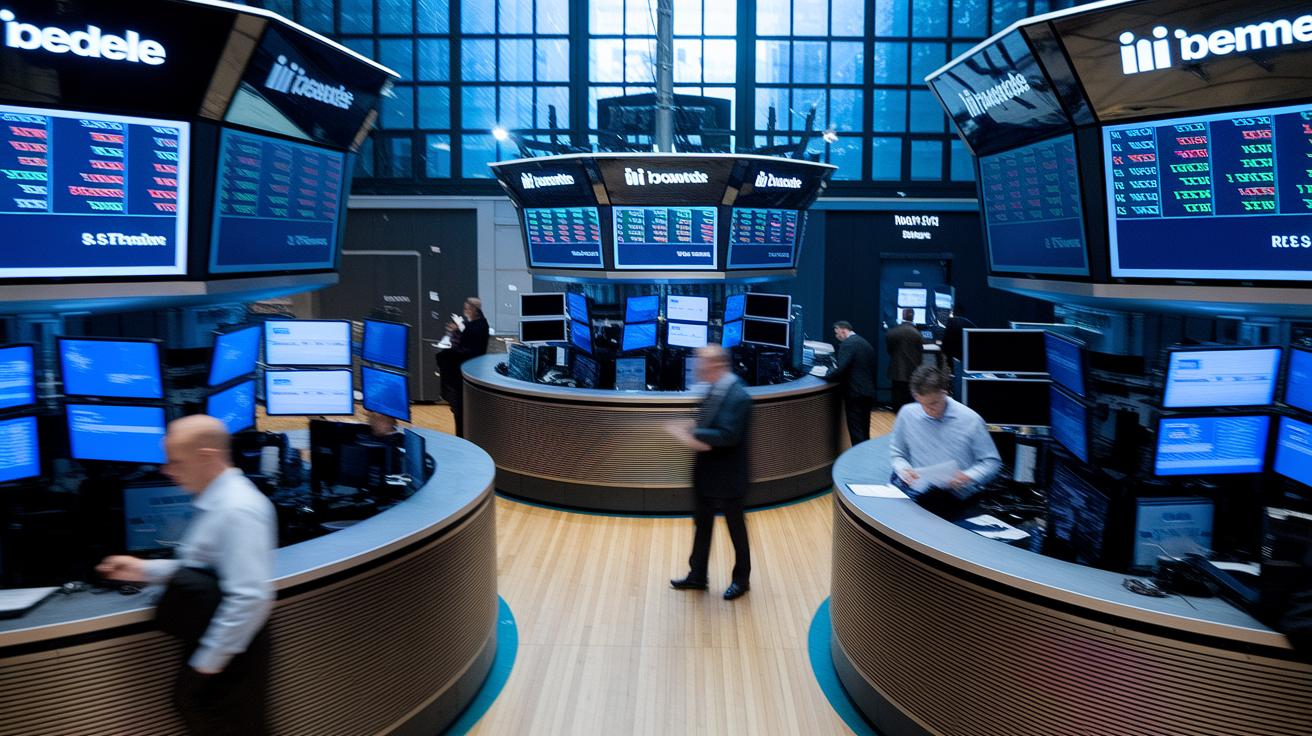
Global financial markets are made up of different parts, each doing its own important job to keep our economy humming and growing. Imagine it like a recipe, where every ingredient plays a role in creating a balanced mix.
- Stock Markets: These are the lively hubs where people buy and sell shares. Think of the NYSE, with a market cap of about $25 trillion, setting the pace, while stock exchanges in London and Tokyo follow with roughly $4 trillion and $5 trillion respectively.
- Bond Markets: Here, you’ll find government, corporate, and municipal bonds that offer a steadier flow of returns. They’re like the reliable friend you can count on when you need lower risk and consistent income.
- Forex Markets: In these markets, currencies are exchanged every day with trillions in trade volume. Major players, such as central banks, commercial banks, and hedge funds, ensure that converting one currency to another happens smoothly.
- Derivatives Markets: These markets use tools like futures, options, and swaps to help manage risks. They work a bit like an umbrella in a sudden rainstorm, giving investors some extra protection when markets shift unexpectedly.
- Commodity Markets: In these areas, futures contracts help traders protect themselves from sudden price changes of raw materials and agricultural goods. This market is crucial for those looking to manage risks tied to everyday essentials.
The connection among these segments is what makes the global financial system so strong. Stock exchanges often mirror the mood of investors, shifting how capital flows. Bond markets add a layer of stability with their predictable returns, while Forex markets make sure international trade runs smoothly. And derivatives and commodity markets offer all the right tools to shield against sudden price swings. Together, they create a vibrant, interconnected financial world that supports steady economic development.
Major Exchanges and Cross-Border Trading Insights in Global Financial Markets
The NYSE, LSE, and TSE remain key centers in trading around the world, handling huge volumes of trades that shape market moods. Picture them like bustling train stations, where every departing train plays a part in steering the overall journey.
Today, cross-border trading depends on small shifts in rate differences often driven by central bank moves. When these banks tweak interest rates, the ease of turning assets into cash, what we call liquidity, can change in a flash. Benchmarks like LIBOR and SOFR, which set lending terms, help guide these movements. Think of it like a sudden wind that shifts a boat's course, prompting international investors to adjust their plans and spark fresh trading flows.
Global Financial Markets: Thriving Trends for Growth
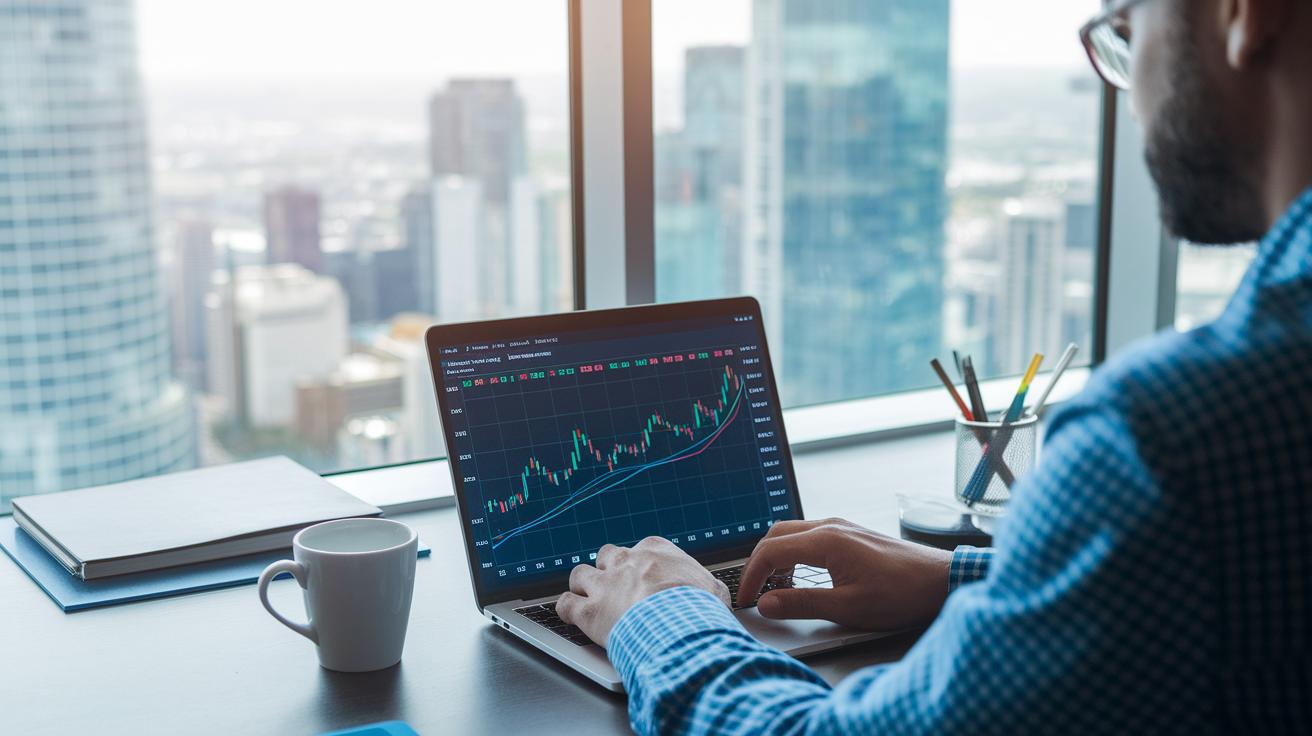
Macroeconomic indicators like GDP growth, inflation rates, policy rates, and measures of market stress help us see how healthy global financial markets are. They give a quick snapshot of economic performance and guide investors in spotting possible market changes. Trend analysis takes past price data along with techniques such as moving averages and turns raw numbers into clear signals. This approach helps investors notice when market moods might shift and prepare for what comes next.
| Indicator | Latest Value | Typical Range | Market Impact |
|---|---|---|---|
| GDP Growth | 2.1% | 1-3% | Drives overall expansion |
| Inflation Rate | 8.1% YOY | 1-8% | Affects purchasing power |
| Policy Rate | 5.25% | 0-6% | Influences borrowing costs |
| VIX | 30+ | 10-30+ | Signals market stress |
| USD Index | N/A | 85-110 | Drives forex movements |
By weaving these key indicators into their research, investors can fine-tune their market forecasts and make smarter decisions. For example, even slight changes in inflation or policy rates might hint at upcoming shifts in bond yields or currency values. These insights turn economic data into straightforward advice for managing risks and spotting good investment opportunities. As trends become clearer, investors can adjust their portfolios, brace themselves for ups and downs, and seize growth opportunities in our connected global market.
Regulatory Policies and Compliance Impact on Global Financial Markets
Recent laws like the One Big Beautiful Bill Act and GENIUS Act have truly changed how our markets work. The One Big Beautiful Bill Act rolls out sweeping tax reforms both at home and abroad, while the GENIUS Act steps in to provide federal oversight for stablecoins (digital currencies that aim to keep a steady value). In everyday terms, these rules cover key areas such as antitrust checks, bank supervision, cybersecurity protocols, and guidelines to protect your data. Think of them as a recipe that makes sure every ingredient in the market blends just right.
Central bank decisions and fiscal policies play a big role in how money flows and trades move. When interest rates are tweaked, they affect liquidity, by that, we mean how quickly an asset can be turned into cash. Imagine it like adjusting a thermostat: even a slight change can make the market feel warmer or cooler. Reviews of policy changes and central bank moves give us a clear snapshot of these shifts, helping everyone see when financial conditions might start to change.
Banks, tech firms, and other market players face ongoing challenges as they adapt to these new rules and standards. They all have to adjust how they work to meet the updated guidelines. For digital platforms, keeping up with the new standards isn’t always easy, as seen in recent discussions on regulatory challenges in fintech innovation. Even though these compliance efforts can be tough, they’re building trust and stability in global markets, ensuring everyone is playing by the same, clearly defined rules.
Risk Management and Investment Frameworks in Global Financial Markets

Derivatives for Hedging
Experts often use futures, options, and swaps to lower the risk from sudden swings in currency values and interest rates. These tools set the deal in advance so that when markets move unexpectedly, investors can limit losses. For instance, if a company sees fuel prices potentially rising, it might lock in prices with a futures contract, helping to keep costs steady. This strategy smooths out cash flow and offers a comforting sense of security during bumpy market times. Many courses, like ACCA and CFA, stress the need to test these strategies under stress and check how different factors move together to get both quick and long-term protection.
Diversified Portfolio Construction
Building a diversified portfolio means mixing different types of assets, such as stocks, bonds, and commodities, to spread out risk. It’s a bit like not putting all your eggs in one basket. Investors decide on their mix based on how much risk they can take and what they expect the market to do. This mix helps balance losses in one area with gains in another. Regular reviews, often with techniques that check how easily assets can be turned to cash, allow for timely tweaks based on current data and forecasts. By combining various asset classes, investors can enjoy steadier returns and adjust more easily to different market cycles. This clear plan not only reduces overall ups and downs but also boosts the portfolio’s ability to handle big market shifts.
Technological Innovation and Digital Trading Evolution in Global Financial Markets
Financial technology is reshaping how we invest. Fintech platforms let both everyday folks and big institutions reach the market faster and more clearly. Picture checking your phone and seeing your investments update live, almost like magic. Meanwhile, blockchain technology is speeding up transactions by slashing settlement times and adding a layer of easy-to-follow record keeping, kind of like swapping snail mail for an instant text. It’s exciting because these changes aren’t just about being quick; they’re about building trust by cutting down mistakes and delays.
Algorithmic systems and high-speed trading are stirring up the scene too. These smart algorithms crunch numbers and spot patterns that human eyes might miss, sometimes in a flash. Ever wonder how some trades happen quicker than a blink? In fact, such rapid trades now account for over half of the US equity market volume. These automated systems adjust almost instantly to shifts in the market, helping to keep prices steady. Plus, stablecoin frameworks are adding new tools to the digital trading mix, making it simpler and more efficient to manage digital assets. All these innovations make the digital trading world feel connected and responsive.
Final Words
In the action, the post explored global financial markets by defining their core structure, examining market size and capital flows, and discussing near-term forecasts. It broke down key segments like stocks, bonds, derivatives, and foreign exchange, while also highlighting major exchanges and cross-border trading insights. A look at trend analysis, regulatory impacts, risk management techniques, and digital trading evolution rounded out the discussion. The insights offered provide a clear view of global financial markets, leaving you with practical ideas to apply and a positive outlook ahead.
FAQ
Q: Where can I find educational materials on global financial markets?
A: Educational materials such as PDFs, PPTs, and online courses offer clear overviews of global financial markets, including fundamental definitions, examples, and recent trends available from trusted financial learning sites.
Q: What does global financial markets law refer to?
A: Global financial markets law covers the regulations and legal frameworks that set trading practices and ensure market stability across borders while protecting investor interests and maintaining financial order.
Q: What is the Global Financial Markets Association?
A: The Global Financial Markets Association represents key industry players, setting guidelines and policies that help standardize market operations and improve transparency and accountability in international trading.
Q: What are global financial markets?
A: Global financial markets are venues where assets like stocks, bonds, currencies, commodities, and derivatives are traded. They connect diverse investors, lenders, and institutions across countries to support economic activities.
Q: What are the four major types of financial markets?
A: The four major financial markets include the stock market for equity trades, the bond market for debt instruments, the foreign exchange market for currency transactions, and the commodity market for goods trading.
Q: What are the three main global markets?
A: The three main global markets often refer to equity, debt, and derivatives markets, each playing a crucial part in providing investment opportunities, financing projects, and managing risk worldwide.
Q: What are the biggest financial markets worldwide?
A: The biggest financial markets include the foreign exchange market with its massive daily trades, major stock exchanges like the NYSE and LSE, and expansive bond markets that finance global activities.
Q: What is the current state and news in global financial markets?
A: The current state of global financial markets reflects ongoing shifts in policy, economic indicators, and investor sentiment, with daily news updates offering real-life examples of how market activity is evolving.