


Operating a small service business often depends on dependable transportation. Whether you run a plumbing service, an electrical contracting outfit, a cleaning crew, or a delivery route, company vehicles are essential operational tools. When a van or utility truck encounters unexpected mechanical failure, appointments are delayed, customer trust suffers, and team members remain idle.
Relying on external repair shops for every routine task strains cash reserves and causes prolonged delays. Managing basic vehicle upkeep internally allows business owners to identify minor wear before it develops into serious mechanical breakdown. Straightforward maintenance procedures help companies maintain workflow momentum while extending the dependable service life of their commercial vehicles.
Handling vehicle care in-house does not require setting up a full-scale automotive repair facility. Instead, it involves introducing structured inspections, equipping personnel with dependable diagnostic tools, and securing consistent replacement parts. A methodical approach ensures company vehicles depart the home base in safe, reliable condition each morning.
Establishing a Routine Inspection Protocol
A dependable vehicle care strategy begins with regular checks carried out by staff members who drive company vehicles every day. Drivers are typically the first to detect subtle changes in vehicle behavior, such as steering pull, unusual engine sounds, soft brake response, or odd vibrations. Providing drivers with an organized inspection checklist encourages immediate reporting of minor quirks before issues worsen.
Daily inspections should concentrate on essential safety components and high-wear areas. Checking tire tread condition, inspecting parking areas for fluid leaks, and confirming that exterior lamps illuminate properly take only a few moments. These brief evaluations catch developing mechanical issues during depot hours rather than during customer appointments.
A practical pre-trip inspection checklist should prioritize essential components:
- Monitoring engine oil levels, engine coolant reserves, and windshield washer fluids.
- Examining tire inflation pressure and checking tread surfaces for uneven wear patterns.
- Verifying the proper operation of headlights, tail lamps, turn indicators, and warning flashers.
- Confirming that wiper blades clear glass surfaces smoothly without skipping or chattering.
- Testing brake pedal firmness and parking brake resistance prior to departure.
Establishing clear accountability for these daily evaluations builds a proactive culture among field personnel. When team members recognize normal vehicle operation and feel responsible for their assigned transportation, your organization minimizes preventable road failures and keeps customer commitments intact.
Assembling Essential Workshop Tools and Equipment
Handling light maintenance and preliminary inspections on company property requires appropriate space and suitable tools. Small commercial operations do not need heavy hydraulic lifts to perform basic oil services, air filter swaps, or battery evaluations. A level concrete service bay fitted with heavy-duty jack stands, wheel chocks, torque wrenches, and standard hand tool sets provides a secure environment for routine servicing.
Equipping your facility with digital diagnostic scanners is equally critical for resolving vehicle faults quickly. Modern commercial vehicles rely on electronic networks that govern engine sensors, emissions controls, and ignition components. Rather than sending a vehicle to an outside garage whenever an engine indicator illuminates, technicians can scan fault codes internally to identify malfunctioning sensors. Learning how to select proper diagnostic hardware and specialized automotive tools through Cartoolexpress helps business managers invest in durable equipment suited for commercial service needs.
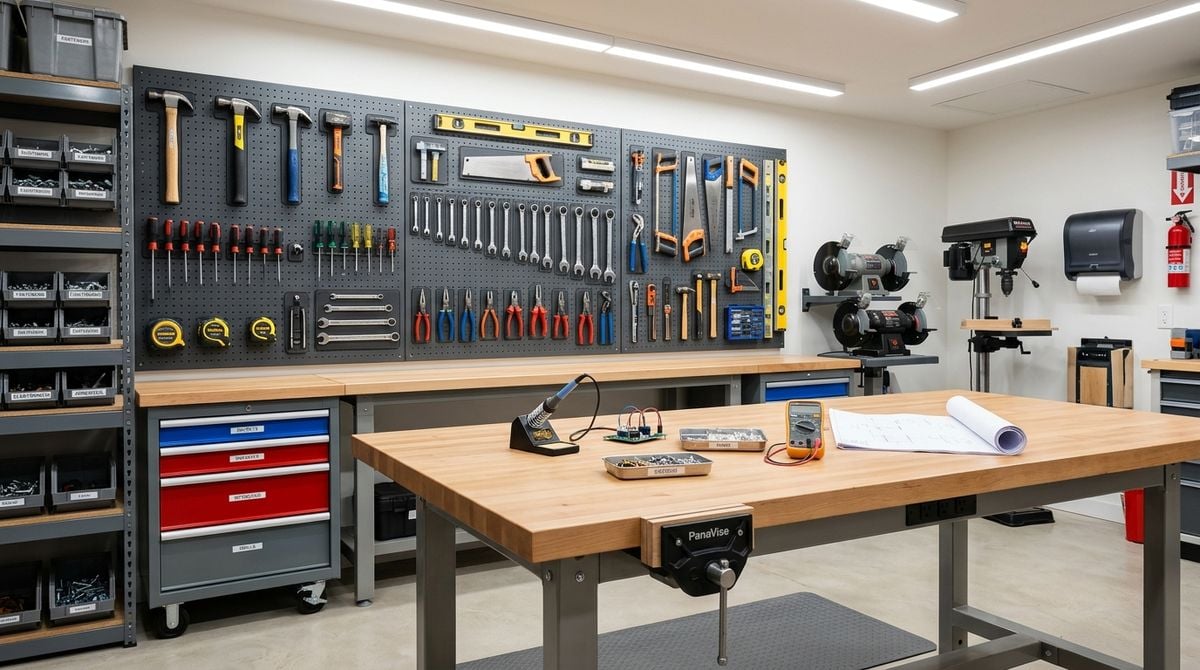
Maintaining orderly tool storage keeps shop routines efficient and prevents lost productivity. Utilizing rolling tool cabinets, labeled socket trays, and wall-mounted storage boards ensures technicians locate necessary equipment without unnecessary delays. Keeping an organized work area also prevents tools from being left inside engine compartments or cargo bays after servicing.
Sourcing Reliable Components and Consumables
Quality replacement components are essential for maintaining vehicle durability under commercial workloads. Commercial vehicles frequently operate under heavy payloads, endure repetitive start-stop driving, and encounter diverse road surfaces. Utilizing sub-par filters, cheap friction materials, or unrated engine fluids to lower short-term expenses can accelerate engine wear and lead to expensive road failures.
Establishing relationships with trusted automotive suppliers ensures steady access to parts that match manufacturer specifications. Keeping a modest supply of standard replacement items—such as oil filters, engine air filters, replacement bulbs, and brake pads—ensures common maintenance tasks proceed without delays. Consulting practical maintenance insights and component guidance on advanceautocars.com helps owners select appropriate replacement parts and follow proven vehicle upkeep practices.
Responsible storage of replacement fluids and chemicals is equally vital for workplace safety. Motor oils, transmission fluids, and hydraulic steering fluids must be kept in sealed, clearly marked containers to prevent dust contamination. Implementing safe disposal procedures for used oils and spent vehicle batteries ensures an orderly workplace that adheres to standard industrial practices.
Training Staff and Aligning Daily Operations
Tools and inventory are only effective when team members embrace consistent operational procedures. Business leaders should treat vehicle upkeep as an important business function rather than a secondary task. Offering guidance on sensible driving practices, gradual braking, and careful load distribution helps minimize unnecessary mechanical strain on engines, transmissions, and suspension assemblies.
Early morning routines influence overall operational productivity. When service crews arrive for early shifts, established habits keep team members organized and prepared for the day ahead. Just as individuals benefit from knowing how to create a savory breakfast from pantry staples to sustain steady energy throughout demanding days, having an efficient inspection routine eliminates morning confusion and keeps dispatch schedules running smoothly.
Maintaining clear communication between field drivers and maintenance coordinators encourages prompt problem resolution. If a technician or driver notices faint noises or unusual vehicle handling, they should feel comfortable noting the condition without fear of reprimand. Welcoming early feedback ensures small mechanical defects are corrected before they cause safety hazards or costly downtime.
Documenting Service Records and Maintenance Intervals
Consistent recordkeeping transforms vehicle maintenance from an unpredictable burden into a manageable business system. Keeping a physical maintenance log inside each vehicle along with a centralized digital record ensures scheduled services occur on time. Documenting fluid renewals, brake inspections, and tire rotations gives management clear insight into ongoing operating expenses across all vehicles.
Comprehensive service documentation also preserves capital value when retiring older vehicles. Prospective buyers place significant value on verifiable service records that demonstrate consistent care and quality component installations. A documented history shows that an enterprise treated its equipment responsibly throughout its working lifecycle.
Preventative service schedules should always reflect actual operating demands. Because commercial vehicles often encounter extended idling times and heavy cargo weights, service intervals frequently require closer spacing than typical passenger vehicles. Tracking engine run hours alongside distance traveled provides a dependable picture of true mechanical wear.
Taking direct ownership of commercial vehicle care creates long-term operational resilience for growing enterprises. By establishing daily inspection habits, securing appropriate diagnostic tools, using quality replacement components, and keeping thorough maintenance records, small business owners protect their operations from unexpected disruptions. A well-maintained vehicle fleet protects employee safety, preserves customer confidence, and supports steady business growth.