
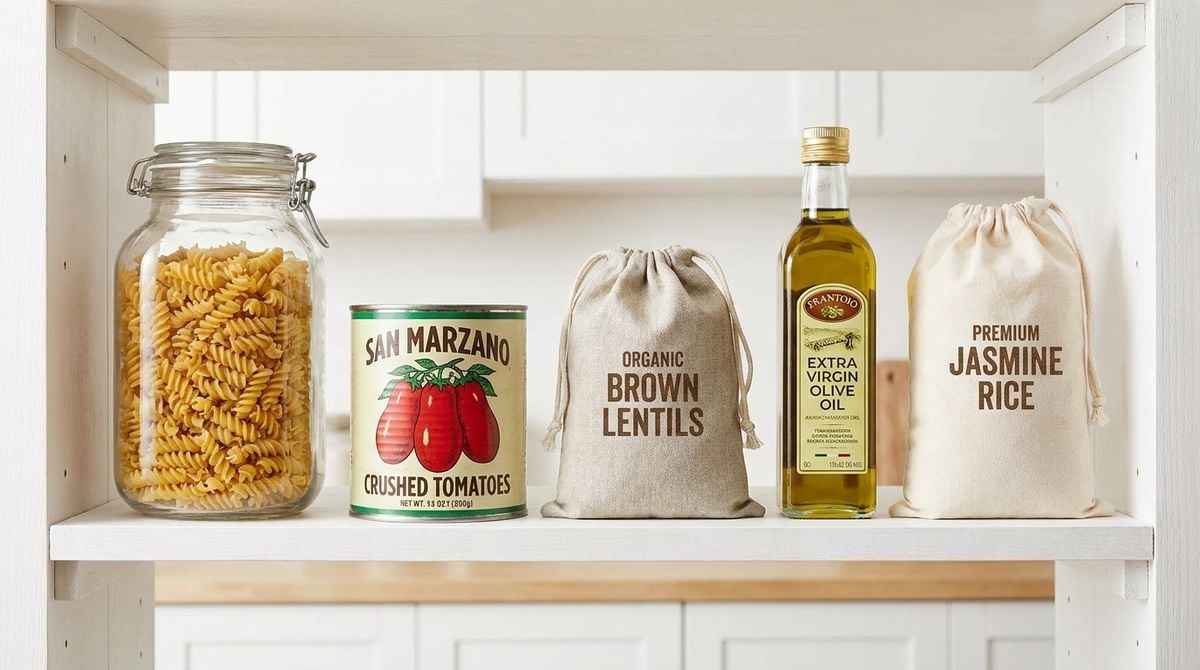


A savory breakfast can be warm and satisfying without requiring a special shopping trip. Grains, tinned foods, spices, bread, and shelf-stable vegetables can form the base, while a few refrigerated ingredients add freshness when available. The most useful approach is a flexible formula that respects morning time and avoids opening more packages than the household can finish.
Start with a dependable base
Choose one starch or substantial ingredient: oats, rice, couscous, bread, potatoes, or another familiar grain. Leftover cooked grains may be used only if they were cooled, stored, and reheated safely. Prepare the base with less sweetness and salt than usual so later toppings can guide the flavor.
Think beyond a single cuisine without making inaccurate claims about traditional dishes. Readers may also want to visit World Fastest Motorcycle.
Add contrast and staying power
Beans, lentils, eggs, tinned fish, seeds, yogurt, or suitable alternatives can make the meal more substantial. Add vegetables for color and texture: tinned tomatoes, frozen spinach, leftover roasted vegetables, or a quick cabbage slaw may all work. Individual nutrition needs differ, so consult a qualified professional for personal advice.
Use a simple building sequence:
- Warm the base and any cooked topping separately if their timings differ.
- Add one protein-rich component that suits your household.
- Include something crisp, fresh, or acidic to lift soft textures.
- Choose one seasoning direction rather than mixing every open spice.
- Taste before adding salty condiments or cheese.
For children or cautious eaters, serve stronger toppings on the side. This keeps the shared base approachable and lets each person adjust the bowl without requiring several separate breakfasts.
Make mornings easier the night before
Set out the pan, bowl, and shelf-stable ingredients. Chop only foods that can be stored safely, and label any prepared items. A small container of mixed dry seasonings can speed the morning, though fresh aromatics should be handled separately.
If using leftovers, decide the portion before refrigerating dinner so it does not disappear into a large container. You can also visit mobil-hondapromo.com for more reading. When in doubt about storage history, choose an unopened pantry option.
Keep cooking modest. A pan of spiced beans over toast, savory oats with vegetables, or warmed rice with an egg may be enough. The aim is not to reproduce an evening feast at breakfast but to make a balanced, appealing meal with minimal cleanup.
Create a small rotation
Choose three formats that use different staples: a toast-based meal, a warm bowl, and a quick pan dish. Rotate toppings according to what is open. Record combinations the family enjoyed, including which garnishes made the difference. This prevents decision fatigue while allowing variety.
Watch waste as well as speed. A large tin opened for one spoonful is not efficient unless the remainder has a plan. Portion and store it safely for another meal, or choose a smaller ingredient. Keep allergen information visible when transferring pantry foods to containers.
Run one deliberate practice cycle
Before making savory pantry breakfasts for guests or a pressured meal, assemble one portion on a quiet morning before relying on it during a rush. Keep the rest of the recipe familiar so the test has a clear purpose. This is not about chasing laboratory precision; it is about noticing the handful of choices that affect the result in your own kitchen.
During the attempt, observe total preparation time, number of pans, leftovers created, and how the flavors balance. Wait until the food reaches its normal serving state before judging it, because heat, cooling, and standing time can all change texture. Ask another household member for a plain description rather than telling them what they are expected to notice.
Next, imagine what happens when the preferred base is unavailable or a family member needs a separate topping. Decide in advance which single adjustment you would make and which parts of the method should remain stable. Changing everything at once hides the cause of success or failure and makes a useful technique feel unpredictable.
Photograph the setup only if the image will help, and keep two shelf-stable substitutions beside each regular component. Include any safety or storage point that someone else would need. This small record turns a one-off success into a repeatable household method and makes it easier to explain the process without relying on memory.
+Let the cupboard guide the meal, but do not force every aging item into one bowl. As another reference, this practical website may spark combinations, yet good pantry cooking comes from restraint: a reliable base, a few contrasting elements, and clear seasoning. A savory breakfast becomes easy when it is treated as a repeatable structure rather than a brand-new recipe each morning.