
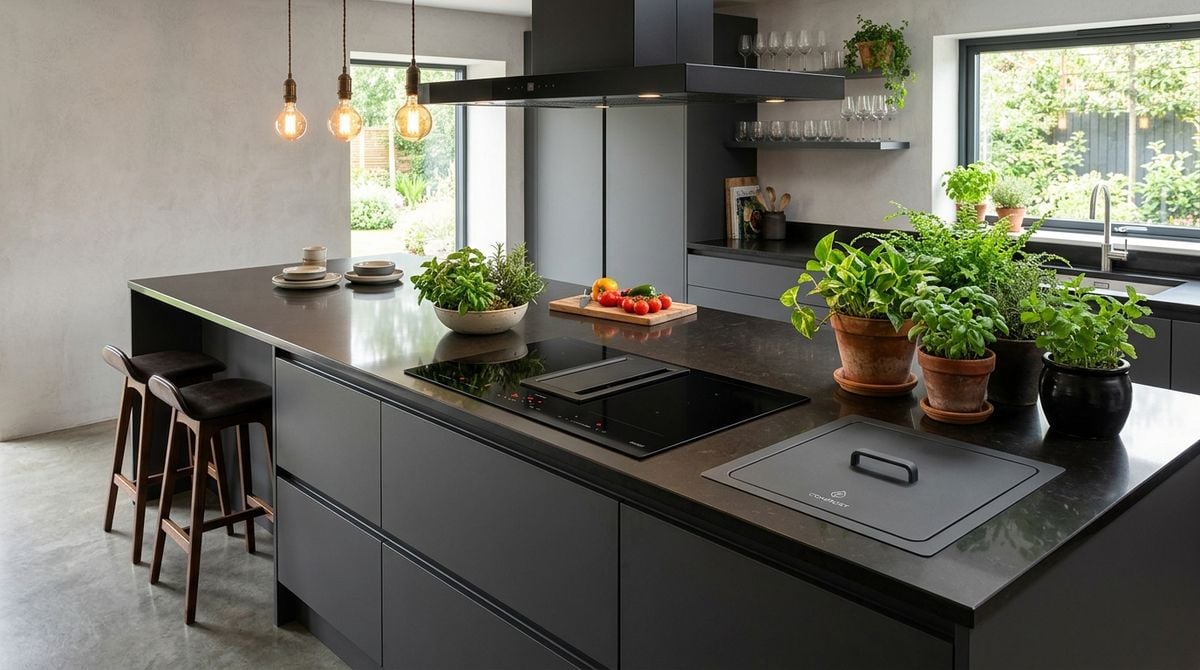


Many satisfying soups, stews, sauces, and grain dishes begin with a small group of aromatic vegetables cooked before the main ingredients arrive. Onion, carrot, celery, garlic, ginger, peppers, and similar ingredients do more than add their individual tastes. When cut thoughtfully and cooked at the right pace, they create a background flavor that makes a simple dish feel complete.
Choose a combination that fits the dish
Start with the ingredients you already enjoy rather than treating one combination as mandatory. Onion brings sweetness and depth; carrot contributes gentle sweetness; celery adds a savory, herbal quality. Garlic is more intense and can turn bitter if cooked too early over high heat. Ginger, fresh peppers, leeks, or spring onions can shift the character of the base without making the method complicated.
Think about the final cooking time. A long-simmered stew can accept larger pieces because they have time to soften. A quick pan sauce needs smaller, more even cuts. Readers may also want to visit martin-bike.com.
Freshness matters, yet slightly soft carrots or celery can still work if they are clean, wholesome, and free from spoilage. Trim damaged areas and discard anything slimy, moldy, or unpleasant-smelling. Aromatic cooking is useful for reducing waste, but it cannot make spoiled food safe.
Cut for even cooking
Uniform pieces cook at a similar rate. They do not need to look machine-perfect; they simply need to be close enough in size that some do not burn while others remain raw. Keep your cutting board stable, use a sharp knife, and tuck fingertips away from the blade.
Prepare ingredients in the order they will enter the pan. Firm vegetables generally need more time than delicate leaves or minced garlic. A useful starting sequence is:
- Heat the pan and add a modest amount of cooking fat.
- Add firm or mild vegetables such as onion, carrot, or celery.
- Season lightly to encourage moisture release and early flavor.
- Add garlic, ginger, or delicate spices after the first vegetables soften.
- Add liquid or the next main ingredient before the small pieces darken too far.
This is a flexible pattern, not a rigid rule. Some dishes deliberately brown onions deeply, while others aim for a pale, soft base. You can also visit Auto Car News HQ for more reading.
Control moisture and heat
Use moderate heat for a soft, blended base. The vegetables should sizzle gently and release moisture without catching on the bottom. Stir occasionally, giving them time to remain in contact with the pan. If they start browning before they soften, lower the heat and add a small splash of water to slow the process.
For a darker base, allow more moisture to evaporate and let the vegetables take on color gradually. Do not confuse browning with burning. Golden or deep brown edges can taste rich; black flecks and sharp smoke usually signal bitterness. A broad pan helps moisture escape, while a small crowded pot encourages more steaming.
Add ground spices only when you can watch them. A brief contact with warm fat can release their aroma, but they scorch quickly. Stir, smell, and follow with liquid once they become fragrant. Tomato paste can also be cooked briefly at this stage until its raw smell softens and its color deepens.
Build the rest of the dish
When the base tastes balanced, add grains, beans, vegetables, meat, or liquid according to the meal. Scrape the bottom so the cooked flavors dissolve into the dish. If the recipe will reduce for a long time, season conservatively at first; concentrated liquid can become too salty later.
Taste again near the end. The aromatic base should support rather than dominate. If the dish seems heavy, acidity from citrus or vinegar may brighten it. If it seems thin, a little more simmering may bring the flavors together. For a related read on this site, see How to Build Partnerships That Grow Your Food.
Once you understand the sequence, aromatic vegetables become a dependable kitchen tool. Choose a coherent combination, cut it for the available cooking time, soften or brown it deliberately, and then build the main dish on top. That quiet first stage often makes the difference between ingredients that merely share a pot and a meal that tastes unified.
Keep brief notes when a combination works especially well. Record the cut size, approximate heat, final color, and the next ingredient added. Those details make a useful personal reference and reveal that the same vegetables can produce a light background or a deeply browned foundation depending on how they are handled.