

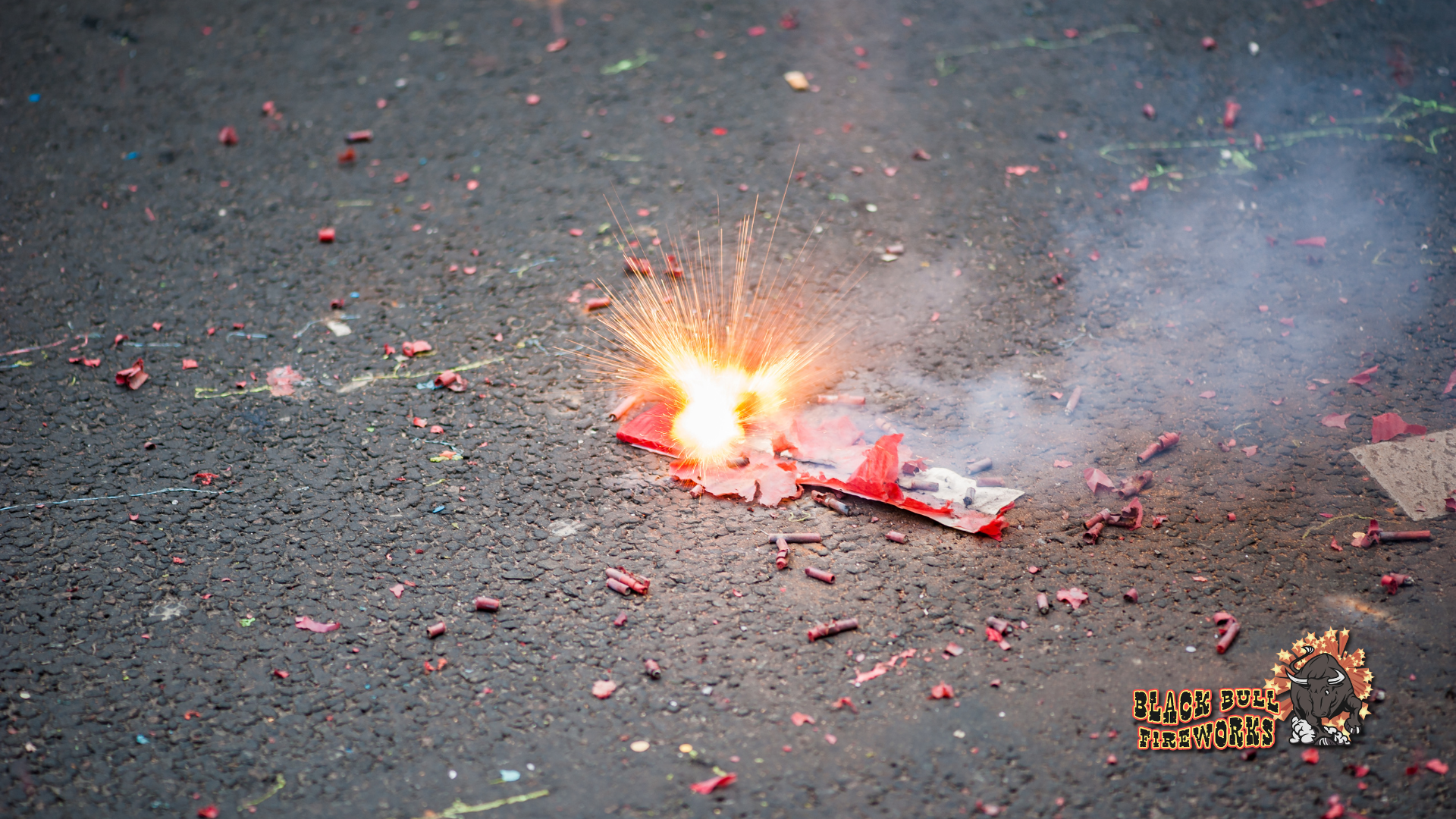
The short answer is: it depends entirely on storage. Fireworks do not carry a stamped expiration date, but age alone is not what makes them fail or become dangerous. If you find old fireworks and are searching for a fireworks store near me to compare fresh stock, it helps to know exactly what degrades over time and what does not. This article explains the chemistry behind firework shelf life, what 20 years actually does to a firework, and how to inspect, store, or safely dispose of old stock.
Why Fireworks Do Not Have an Expiration Date
Consumer fireworks are regulated by the U.S. Consumer Product Safety Commission (CPSC) under the Federal Hazardous Substances Act. The CPSC requires specific labeling, construction, and performance standards for all consumer fireworks. However, there is no federal requirement for manufacturers to print an expiration date on consumer fireworks packaging.
The reason traces back to the main component of most fireworks: black powder. Black powder is a mixture of charcoal, sulfur, and potassium nitrate. These chemicals are stable and do not break down on their own over time. What degrades fireworks is not the passage of time but exposure to specific conditions, primarily moisture, heat, and physical damage.
A firework stored correctly in ideal conditions can remain functional well beyond a decade. The CPSC advises consumers to always store fireworks in a cool, dry place, which reflects the fact that environment matters far more than age.
What Actually Happens to a Firework Over 20 Years
Twenty years is a long time for any product to sit in storage. The question is not whether time has passed but what the firework was exposed to during those years. The internal components of a firework each respond differently to prolonged storage in less than ideal conditions.
Here is what actually changes inside an old firework:
- The fuse: Fuses are made from paper or cord wrapped around pyrotechnic material. Over time, fuses become brittle, crack, or detach from the shell entirely. A compromised fuse burns unpredictably, too fast, too slow, or not at all.
- The casing: Cardboard and paper casings absorb moisture from the surrounding environment. A softened or warped casing is a clear sign that moisture has reached the interior of the device.
- The powder: If moisture contacts the black powder inside, it clumps. Clumped powder burns unevenly, which causes misfires, partial ignitions, or unexpected behavior at the point of detonation.
- The color compounds: Metal salts used for color effects degrade when exposed to humidity over time. A 20 year old firework that was stored poorly may produce dim, washed-out color or no color effect at all during the burn.
- The oxidizer: The oxidizer inside the shell provides the oxygen that sustains combustion. Moisture exposure can reduce the oxidizer’s effectiveness, leading to weak bursts or shells that fail to reach the correct altitude.
A firework stored in a sealed, dry, cool container for 20 years may still perform well. The same firework stored in a garage exposed to summer heat and winter humidity is likely compromised and unsafe to use.
How to Inspect Old Fireworks Before Deciding
Never light an old firework without a thorough physical inspection first. The CPSC advises consumers to never try to relight or handle malfunctioning fireworks and to soak them with water and throw them away if they appear damaged. That guidance applies equally to fireworks that show any visible signs of wear or moisture exposure.
Check these specific things before using any old firework:
- Fuse condition: The fuse must be fully intact, firmly attached, and free from fraying or cracking
- Casing condition: Look for soft spots, warping, mold, discoloration, or any visible damage to the exterior
- Smell: A musty or damp smell is a direct indicator that moisture has penetrated the interior
- Loose powder: Any powder falling from the casing signals structural failure inside the device
- Label legibility: If the CPSC-required safety warnings are no longer readable, do not use the product
If any of these signs are present, do not attempt to light the firework under any circumstances. The CPSC is clear that damaged or malfunctioning fireworks must be soaked in water and disposed of properly, not re-ignited or stored for later use.
The Specific Risk Profile of Old Fireworks
Old fireworks that have degraded present a different risk profile than new ones. The danger is not that they become more explosive with age. The danger is that they become unpredictable. A degraded fuse may burn faster than the minimum three seconds required by CPSC regulations for consumer firecrackers, leaving no time to reach a safe distance after ignition.
Clumped powder may ignite unevenly, causing the shell to burst at the wrong point in its trajectory. A shell that detonates too low is far more dangerous than one that misfires completely. A weakened casing may rupture at ground level rather than at height, sending debris outward rather than upward. These failure modes are harder to anticipate than a clean misfire and represent the real safety concern with very old fireworks.
Proper Storage to Extend Firework Life
Storage conditions are the single biggest factor in determining how long a firework stays usable. The CPSC advises storing fireworks in a cool, dry place and avoiding rough handling that could damage the fuse or casing. That guidance applies whether fireworks are being kept for one month or several years.
Follow these specific storage practices:
- Store in a sealed airtight plastic container with a tight-fitting lid
- Keep the storage location cool, dark, and dry with stable temperatures year-round
- Never store fireworks in a garage, attic, or shed where temperature swings are significant
- Keep well away from any heat source including water heaters, furnaces, and dryers
- Store away from animals such as rodents that can chew through paper or cardboard casings
- Do not store fireworks inside your living space, as many home insurance policies exclude damage caused by stored explosive devices
Silica gel packs placed inside the storage container help absorb residual moisture and extend the usable condition of the fireworks between seasons. Label the container with the purchase date so you know exactly how old the stock is when you return to it.
How to Safely Dispose of Old or Damaged Fireworks
If inspection reveals that old fireworks are compromised, disposal is the only safe option. The CPSC provides direct guidance: soak malfunctioning or damaged fireworks in water before discarding them. This applies to any firework you decide not to use, regardless of age.
Follow these steps for safe disposal:
- Submerge the fireworks fully in a bucket of water
- Leave smaller fireworks soaking for at least 15 to 20 minutes
- Leave larger shells or mortars submerged overnight to ensure full saturation
- Once fully saturated, double-bag in plastic and place in regular household trash
- Never attempt to burn, crush, or dismantle old fireworks at any point
Do not throw dry, intact old fireworks directly into the trash. Waste management workers handle compacted trash, and an unsoaked firework presents a real ignition risk during that process. Soaking first eliminates that risk entirely before the material leaves your property.
Should You Use 20 Year Old Fireworks?
The honest answer for most people is no. Unless those fireworks were stored in controlled, ideal conditions for the full 20 years with no exposure to humidity, temperature extremes, or physical handling, the risk of unpredictable behavior is too high to justify using them. Even fireworks that pass a visual inspection may have internal powder degradation that is not visible from the outside.
For any planned celebration, fresh fireworks purchased from a reputable fireworks store near me are always the more reliable and safer option. Fresh stock comes with intact fuses, undamaged casings, full-strength powder, and the CPSC-required labeling that tells you exactly how to handle the product.
Get Fresh, Quality Fireworks Before Your Next Show
Black Bull Fireworks has served Michigan City, Indiana since 1998 and stocks fresh, CPSC-compliant inventory every season. Our team can help you choose the right products for your display. Visit our fireworks store or call (219) 561-0203 before your next celebration.