

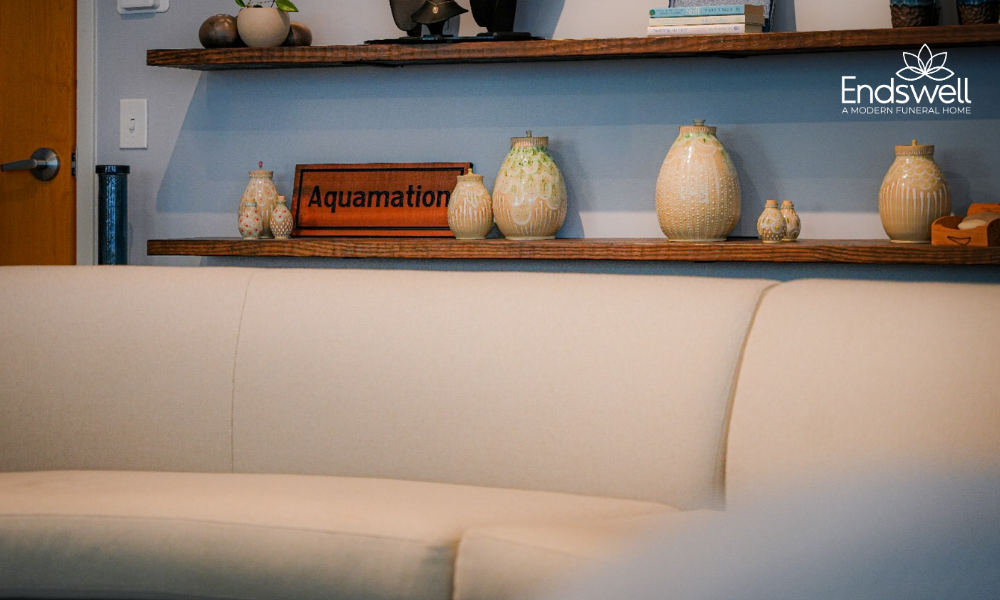
For families considering end-of-life arrangements, there are more environmentally sustainable options today than ever before. One such option is aquamation, also known as water cremation or alkaline hydrolysis. This method is becoming increasingly recognized for its eco-friendly approach to funeral practices. In Durham, Ends Well Funeral Home provides guidance for families exploring aquamation services alongside traditional cremation or burial, helping them understand how this process works and its environmental benefits.
Aquamation allows the body to be returned to the earth through a water-based process that is gentle, safe, and sustainable. Unlike flame-based cremation, it uses significantly less energy, avoids harsh chemicals, and produces a completely sterile solution that can be returned to the family or laid to rest.
Understanding Aquamation
Aquamation is an environmentally friendly alternative to traditional funeral practices. It relies on a water-based process combined with alkalis, such as potassium hydroxide and sodium hydroxide, to accelerate the natural decomposition of tissue. This process is known as alkaline hydrolysis.
During aquamation, soft tissue is broken down, leaving behind only bones. These are processed into a powder similar to traditional cremation ash. The water used in the process becomes a sterile solution of amino acids and minerals. This can be safely handled, returned to the family, buried, or scattered in a special place, as some families choose.
Because the process avoids flame-based heat and toxic chemicals, aquamation is considered a sustainable end-of-life option that reduces energy use and environmental impact.
How the Aquamation Process Works
The aquamation process begins when the deceased is gently placed in a stainless steel vessel designed for water cremation. Water and alkalinity agents are added to accelerate the natural process of tissue hydrolysis. The vessel is sealed, and water flow is maintained to complete the reaction over several hours.
As the process continues, soft tissue is fully broken down. The remaining bones are processed into a powder that is then returned to the family or laid to rest. Unlike traditional burial, no embalming process is required, and flame cremation is avoided entirely.
Aquamation produces a completely sterile solution, ensuring the process is safe and environmentally responsible. Families may choose to place the remains in a container for burial, scatter them in a special place, or keep them according to their wishes.
Why Choose Aquamation
Aquamation provides several benefits compared to traditional funeral practices. First, it is an eco-friendly alternative that uses less energy than flame-based cremation. The process also avoids the need for embalming fluids and reduces the carbon footprint associated with burial and cremation.
In addition, aquamation is gentle and respectful, offering a compassionate approach to end-of-life care. Families who want to minimize environmental impact while maintaining meaningful funeral practices often consider water cremation for these reasons.
Water cremation is legal across many states, allowing families to access this option alongside traditional cremation and burial services. It is an environmentally sustainable choice that aligns with modern values around conservation and sustainability.
Eco-Friendly Aquamation Services
Funeral homes offering aquamation provide a valuable alternative to traditional cremation and burial. The process uses water and alkalis instead of flame, reducing energy use and limiting emissions. It produces a completely sterile solution that can be safely returned to the family or laid to rest, avoiding chemicals that are common in embalming.
Aquamation services also support environmentally sustainable funeral care. Families can choose this method knowing that the process is both safe and eco-friendly, reducing carbon emissions while still honoring the deceased with dignity.
Environmental Benefits of Water Cremation
Aquamation reduces environmental impact in several ways:
- Lower Energy Use: The water-based process uses significantly less energy than traditional flame cremation.
- Avoids Harmful Chemicals: Unlike traditional burial, no embalming fluids are required, keeping harmful substances out of the soil.
- Reduced Carbon Footprint: Water cremation produces fewer emissions, making it an environmentally responsible option.
- Safe Returns: The sterile remains can be returned to the family, buried, or scattered safely, supporting sustainable funeral practices.
Because of these advantages, aquamation is increasingly considered an environmentally friendly alternative to flame cremation.
Comparing Aquamation to Traditional Funeral Practices
Traditional funeral practices, including burial and flame-based cremation, have long been used to honor loved ones. Burial often requires embalming, which introduces chemicals into the soil, while flame cremation consumes significant energy and produces carbon emissions.
Aquamation provides a natural, water-based alternative. The process gently breaks down the body using water and alkalis, reducing energy use and avoiding harmful substances. It leaves behind sterile remains that can be returned to the family, buried, or scattered in a meaningful location.
This eco-friendly alternative aligns with sustainable end-of-life practices while maintaining the dignity and respect of traditional funeral services.
How Funeral Homes Offer Aquamation
Funeral homes that provide aquamation have specialized vessels and trained staff to manage the process. Families can select how the remains are returned or laid to rest. Some may choose burial, others may scatter the remains in a special place, and some may keep them at home.
By offering aquamation services, funeral homes expand their sustainable end-of-life options. Families can choose between traditional cremation, burial, or water cremation based on personal values and environmental considerations.
Sustainable End-of-Life Options
Sustainable end-of-life options are becoming more common as families seek environmentally responsible funeral practices. Aquamation provides an alternative to both flame cremation and traditional burial, using less energy and producing fewer emissions.
It also eliminates the need for embalming fluids, making it an environmentally friendly choice. Families can feel confident that choosing water cremation supports sustainable practices while honoring the life of their loved one in a compassionate and meaningful way.
Honoring Loved Ones with Sustainable Choices
Aquamation funeral homes offer a practical, eco-friendly option for end-of-life services. The water-based process reduces energy use, avoids chemicals, and produces sterile remains that can be returned to the family, buried, or scattered.
For families looking to minimize environmental impact while maintaining dignity and respect, water cremation is a sustainable alternative to flame-based cremation or traditional burial. In Durham, Ends Well Funeral Home provides guidance and support for families exploring this option, ensuring that end-of-life care can be both meaningful and environmentally responsible.
With aquamation, funeral care can embrace sustainability, reduce carbon footprint, and support families in making thoughtful, eco-conscious choices.