
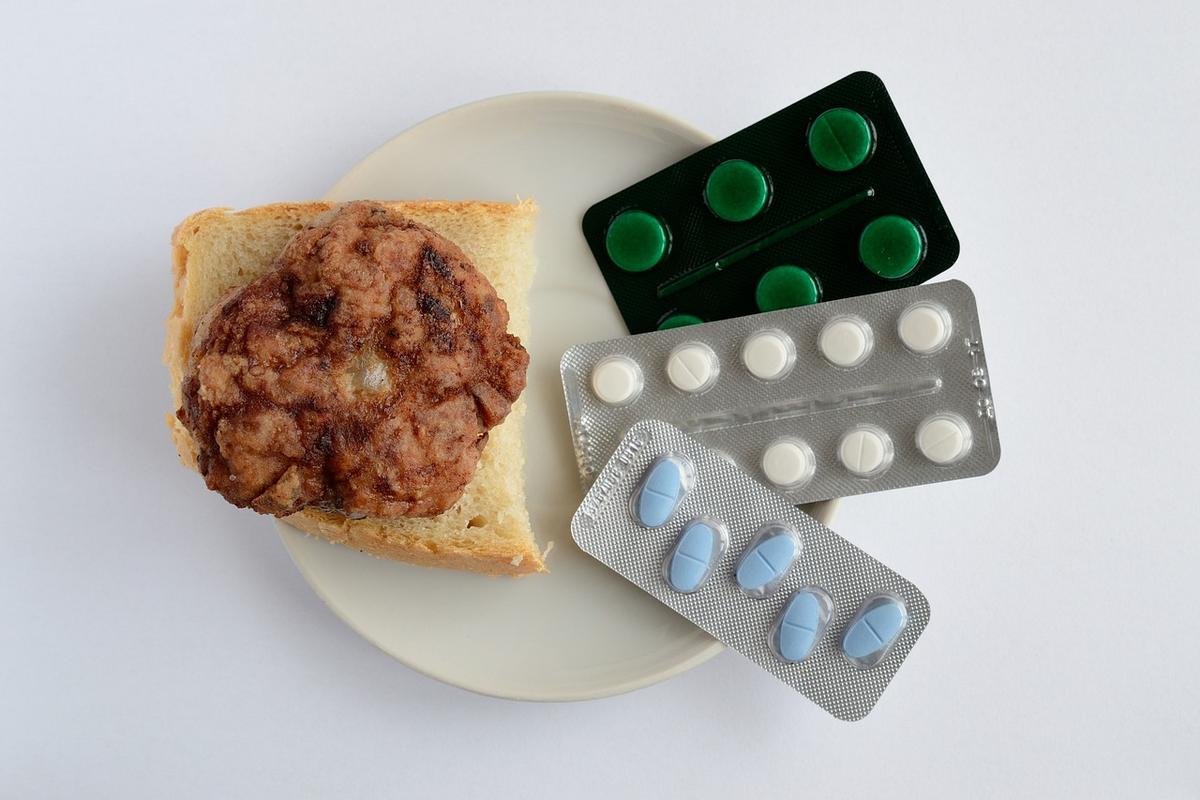


Overview of Upcoming Obesity Treatments
Eli Lilly and Novo Nordisk are preparing to introduce oral medications for obesity in the United States next year. Both firms have been working on treatments that could change how obesity management is approached, shifting some attention away from the weekly injection options that have dominated the market. The U.S. market is set to see these treatments pending approval by regulatory agencies. Early forecasts by industry experts hint that pill-based options might secure around one-fifth of an estimated $80 billion market dedicated to GLP-1 drugs by the year 2030. This shift comes as patients show growing interest in a method that promises fewer demands on daily routines.
Dan Skovronsky, Chief Scientific Officer at Eli Lilly, recently spoke about a pivotal study comparing Lilly’s candidate, orforglipron, with Novo Nordisk’s oral semaglutide. The trial aims to assess how both medications lower blood sugar levels in patients with Type 2 diabetes, while also recording the extent of weight reduction. According to Skovronsky, the decision to conduct a direct, phase three, randomized control trial was based on strong internal confidence that Lilly’s drug would perform closely to, or even better than, the competing option. This study, which will provide healthcare professionals with much-needed data, marks a significant milestone ahead of the drugs’ anticipated U.S. debut.
Details of the Comparative Study
The head-to-head trial has been designed to produce clear comparisons between the two oral medications. While the primary focus is on reducing blood sugar levels in patients suffering from Type 2 diabetes, a major secondary outcome is the amount of weight loss achieved by each treatment. Skovronsky commented that embarking on the direct study was only feasible once the internal research provided a high level of assurance in orforglipron’s performance when matched against Novo Nordisk’s candidate. In conversations with industry experts, he noted that drawing conclusions solely from studies that assessed the drugs separately would not be sufficient. Novo Nordisk’s representative, Martin Holst Lange, has added that the results, once publicly available, will speak clearly for the two options.
While previous findings from a late-stage trial indicated that orforglipron may deliver slightly less weight reduction than some projections suggested, the upcoming trial’s revelations remain critical. Both companies are adjusting their expectations following these early signals. Currently, for the highest dosages tested, orforglipron has been associated with roughly 12% body weight reduction, whereas the oral semaglutide has reached close to 17%. These differences raise questions about patient preferences, as many might opt for the ease of pill administration even if it results in more modest weight loss compared to injectable treatments.
Market Impact and Future Projections
Financial analysts are closely watching the developments in this competitive area. With oral treatment options expected to contribute significantly to the market revenue, some projections indicate that such drugs could hold nearly one-fifth of the total market by 2030. A thorough assessment of industry data suggests that patients might lean toward these pill forms because of minimal upfront convenience issues and the absence of restrictions related to food or water intake. Unlike Novo Nordisk’s oral variant, which requires a 30-minute waiting period before eating or drinking, orforglipron does not impose such limits. This feature may give Lilly’s product a manufacturing advantage since it is a small molecule medication that is generally simpler to produce compared to peptide-based formulations.
Evan Seigerman, an analyst from BMO Capital Markets, pointed out that orforglipron’s lack of interaction with food could be beneficial for patients seeking a hassle-free treatment option. He also expressed confidence that the leadership at Novo Nordisk, with Mike Doustdar at the helm, would push forward forcefully to make their anticipated product launch successful. In light of recent trial outcomes, some market share estimates have been adjusted. A number of analysts have shifted their projections from orforglipron toward the oral semaglutide, now expecting sales of about $14.56 billion in 2032. This adjustment reflects a cautious approach as experts weigh clinical performance against consumer behavior and market dynamics.
Perspectives from Industry Leaders
Leaders from both companies have emphasized that while scientific validation is an essential step, the next challenge lies in capturing patient interest and market demand. Skovronsky mentioned that the drug development process met its scientific goals, with orforglipron delivering safety, tolerability, and efficacy comparable to injectable GLP-1 options. The real test will be in observing how patients and prescribers respond to a pill-based regimen that may offer slightly different outcomes. Doctors are expected to scrutinize the upcoming trial’s findings closely, as these results will guide the future prescription patterns of obesity treatments in the broader medical community.
On the Novo Nordisk side, Martin Holst Lange expressed confidence in the data generated so far and anticipated that objective trial results will allow the therapeutic merits of their product to stand on their own. The ongoing competition between the two companies not only highlights the scientific rigor behind the trials but also underscores a broader shift in the approach to managing obesity, as convenience and ease of use become increasingly important to a diverse patient population.
Looking Ahead
As both Eli Lilly and Novo Nordisk gear up for the U.S. launch next year, the industry remains alert to the possibility that oral medications might become the dominant method for treating obesity worldwide. The ease of administration and manufacturing simplicity could potentially give pill options an edge over traditional injection treatments, even if the metric for weight reduction differs. The coming months will be crucial in determining how clinical results translate into real-world adoption. Stakeholders in the healthcare field now await further data from the comparative trial, which will shed more light on the relative benefits of each medication. With these developments unfolding, the competition in the obesity treatment sector promises to shape market dynamics and influence treatment protocols in the near future.