



Have you ever thought about how one small slip-up could throw your entire project off track? Missing just one detail might tip everything into chaos.
Our simple risk management approach starts with spotting every possible problem. Then, we look closely at how each one could affect your goals and set up clear steps to handle them ahead of time. Think of it as a map guiding you safely around rough patches.
We break down each step into easy actions you can begin using today, lightening your load and setting you on a steady path to success.
Risk Management Process: Your Key to Success
-
Risk Identification
Start by making a simple list of everything that might affect your project, both good and bad. Work side-by-side with your team and key decision-makers to create this risk register. For example, a new regulation might seem like a challenge or even a welcome opportunity. -
Risk Assessment
Next, take each risk and give it a score based on how likely it is to happen and how big its effect might be. Then, put a monetary value on these factors to see which risks need your attention right away. Think of it like rating customer feedback on a simple five-point scale. -
Risk Treatment
Now, it’s time to plan your next steps. Draw up clear, actionable plans to reduce the chance of each risk occurring, or lessen its impact if it does. You can avoid the risk entirely, shift it to someone else, or even decide to accept it when it’s manageable. Be ready to jump into action when needed. -
Risk Monitoring & Reporting
Finally, keep a close eye on the situation by reviewing your plans regularly. Check and re-calculate risk scores, and use clear guidelines to escalate issues if risks get more serious. This steady review helps you stay on track as conditions change.
Risk Management Process: Foundations of Risk Identification
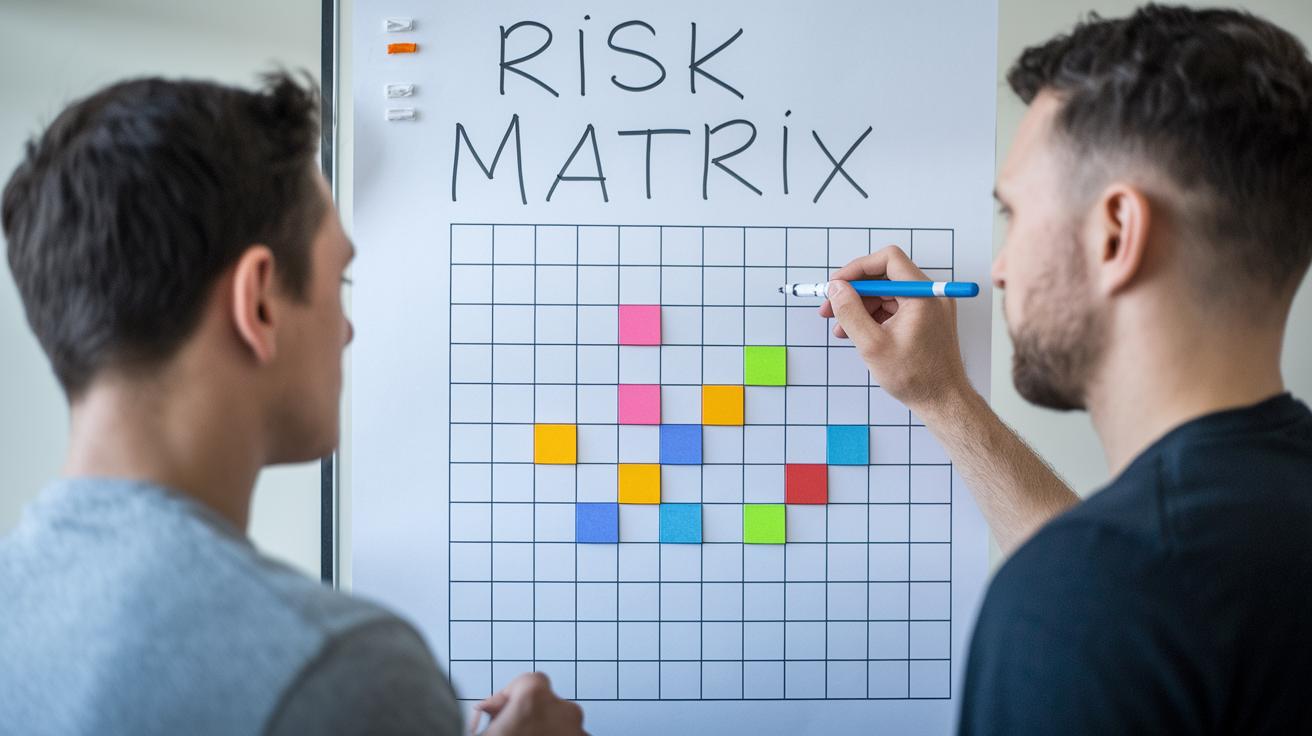
Risk management starts with spotting potential problems before they become big issues. First, you chat with both the team and leadership to find out what might go wrong. This teamwork produces a complete list of risks to keep an eye on.
A good risk list notes the source of each risk, what might trigger it, and what could go wrong. Think of it as a simple map that shows where bumps may hit your project. Key risk groups include changes in strategy like new technologies or shifts in leadership, rules and regulations like GDPR or Sarbanes-Oxley, financial slip-ups from reporting mistakes, operational snags from inside or outside problems, bad press affecting reputation, security issues whether physical or online, and quality problems when something doesn’t work right.
To find these risks, you need clear methods to detect and analyze them. Writing down every detail not only keeps everything open and honest but also lets your team act quickly. When you see exactly how a risk might affect your project, you can choose the best way to tackle it.
Keep your risk list fresh through regular meetings. This way, new trends pop up fast, and your team can adjust the list, making sure every potential risk is recorded and sorted out early on.
Risk Management Process: Qualitative and Quantitative Assessment
Qualitative Risk Assessment
In qualitative risk assessment, we give each risk a quick grade. We keep it simple: each risk gets a number that shows how likely it is to happen and how bad it might be. Picture it like giving a small test, if a risk scores 4 out of 5 for happening and 5 out of 5 for impact, it becomes a top concern. This quick grading helps leaders spot which risks deserve immediate attention.
Quantitative Risk Assessment
Quantitative risk assessment takes things a step further by turning those scores into dollar amounts. Here, we assign a value to each risk to show the potential extra costs or lost profits. Imagine a risk that causes delays or needs extra resources, the financial impact becomes clear by multiplying the chance of the risk by its severity. This overall score tells us which risks could really shake things up financially, much like turning a rough sketch into a detailed budget forecast.
| Likelihood (1–5) | Impact (1–5) | Risk Score |
|---|---|---|
| 3 | 4 | 12 |
| 5 | 2 | 10 |
| 2 | 5 | 10 |
| 4 | 4 | 16 |
| 1 | 3 | 3 |
Risk Management Process: Developing Treatment Strategies

Planning Preventive and Mitigation Actions
Treatment plans help lower the chance that risks will strike or reduce their impact when they do. Simply put, you use preventive actions to stop a risk from appearing and mitigation actions to lessen its blow if it occurs. For example, if you worry a project might go over budget due to supply delays, you could prevent the risk by using more than one supplier. And if things still go wrong, you set aside extra funds as a safety cushion. These plans are built around seven main strategies: avoid, mitigate, transfer, accept, exploit, share, and enhance. When you choose a strategy, think about the situation clearly, like deciding whether to patch a small leak in your boat or to move the cargo to keep it afloat.
Managing Critical Issues
Some risks eventually become so certain that we must treat them as issues. When a risk reaches 100% probability, it’s time to call it an issue and inform everyone involved. At this point, you need to update an issue log right away so you can track every decision and step taken to manage the problem. Imagine a software project that is almost sure to miss its deadline. In that case, you alert your project team and top management immediately while documenting every detail. Quick communication and careful tracking build trust and help everyone respond fast as the situation evolves.
Risk Management Process: Monitoring, Reporting, and Continuous Review
Monitoring is at the heart of any strong risk management plan. It isn't just about checking in now and then; it's a guide to help steer clear of trouble. Teams keep an eye on their progress and update risk ratings regularly. This way, even small shifts, whether from within the company or changes happening outside, are noticed and tackled early.
Regular check-ups make sure that treatment plans are always up-to-date with the latest conditions. Clear thresholds are set for when things need a closer look, and as soon as risk scores hit those levels, someone is ready to jump in. Senior leadership gets detailed reports during quarterly risk meetings, offering them a clear picture of both current risks and any new trends. This organized approach helps keep every step of risk management strong and ready to adapt.
Key activities include:
- Regular check-ups of treatment progress and updated risk scores.
- Setting clear escalation points based on how serious the risk is.
- Holding risk meetings to turn detailed reports over to senior leadership.
Risk Management Process: Integrating into Organizational Practices

Making risk management part of your everyday routine means keeping an eye on possible problems as naturally as you check your email each morning. With leaders fully behind the effort and everyone pitching in, risk control slips into both big picture plans and daily decisions. Quick updates during regular meetings help each team member spot potential issues early and stay ready to act.
Following rules like Sarbanes-Oxley or GDPR isn’t just about ticking boxes, it gives your risk processes a sturdy backbone. These guidelines help shape clear checkpoints and organized records that everyone can follow closely. When departments openly share what they notice about risks, even small alerts get handled before they grow into bigger problems. It really turns managing risk into a team effort.
Keeping detailed records and offering regular training sessions helps build a naturally risk-aware culture. Once your organization weaves risk management into its very DNA, it sets up a strong base for smart, long-term planning while handling surprises as they come. This isn’t a one-time thing, it’s an ongoing journey that grows and adapts just like your business does.
Risk Management Process: Tools, Templates, and Best Practices
When it comes to managing risks, digital tools make life a lot simpler. They handle everything from spotting potential issues to reporting results. Top software solutions can automatically identify, measure, treat, and keep an eye on risks. Think of tools like Predict360 or Lumify360, they replace bulky spreadsheets with real-time dashboards and handy alert systems. Imagine getting an instant alert if a risk score spikes, keeping you in the loop exactly when it matters.
Digital platforms give you a bird’s-eye view of all your risks in one place. They offer live updates, easy-to-use dashboards, and detailed records of every change, just like having a digital advisor who’s always on call. This setup makes sure you catch important signals without missing a beat.
Flowcharts and checklists are essential too. They guide you step by step through the process, making sure every project follows the same clear routine. For example, a checklist might say, "Check key risk signals, assess their impact, and update your risk logs." This type of structured guidance helps everyone stay consistent and reduces the chance of errors.
Using these digital resources and template guides not only sharpens your risk management but also brings everyone on the same page. You create a proactive system where risks are continuously watched, surprises are handled quickly, and every step is managed with consistency and care.
Final Words
In the action, we explored a clear four-step path: identifying, assessing, treating, and then monitoring risks. Each phase builds on the last, ensuring that every potential threat is logged and reviewed.
We've also seen how blending smart tools with a hands-on approach strengthens every aspect of the risk management process. With a culture of ongoing review and stakeholder input, making informed, strategic decisions becomes a natural part of ordinary business practices. Stay confident and proactive.
FAQ
What are the overall risk management process steps?
The overall risk management process steps include identifying potential risks, assessing them, planning treatment measures, and monitoring progress to keep projects safe and aligned with goals.
What are the 5 steps in the risk management process?
The 5 steps in the risk management process typically start with risk identification, followed by analysis, evaluation, treatment, and monitoring—each stage offers a practical way to address possible project issues.
What are the 7 stages of risk management?
The 7 stages of risk management often expand by breaking down assessment and treatment into more detailed steps, such as identification, analysis, evaluation, planning, implementation, monitoring, and communication to provide full coverage.
What is the 4 stage risk management process?
The 4 stage risk management process focuses on identifying risks, assessing their impact, taking action to treat them, and monitoring outcomes, ensuring a streamlined approach to managing uncertainties.
What is risk management methodology?
The risk management methodology is a systematic approach that involves finding risks, evaluating their potential effects, planning corrective actions, and consistently reviewing conditions to support sound, informed decision-making.