
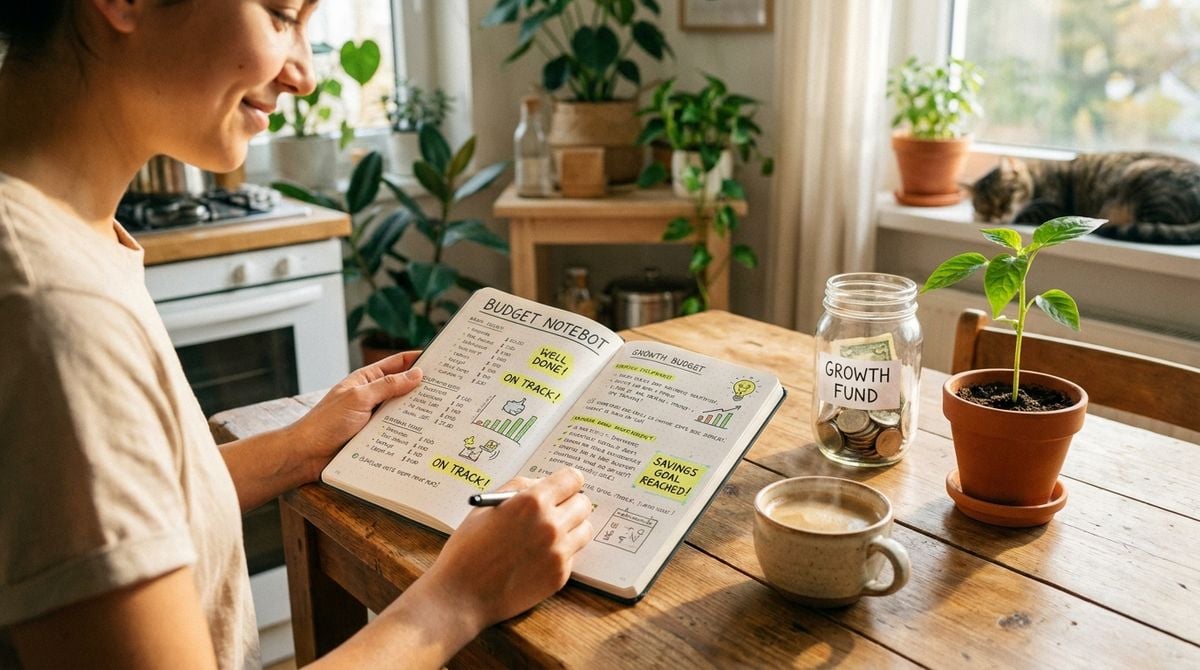


Most monthly household budgets fall apart not because of daily coffee runs or routine grocery trips, but because predictable irregular bills arrive like unexpected emergencies. Annual insurance renewals, holiday gifts, vehicle maintenance, back-to-school supplies, and seasonal home repairs rarely happen every single month, yet they happen reliably every single year. Setting up simple sinking-fund buckets turns those lumpy, stressful calendar surprises into calm, small monthly habits so your everyday cash flow stays steady all year long.
Why standard monthly budgets miss predictable annual bills
Traditional budgets focus almost exclusively on recurring monthly obligations such as rent, utilities, groceries, and phone bills while overlooking expenses that occur once or twice a year. When a large annual bill suddenly lands in your inbox during a normal pay period, it forces you to scramble, dip into emergency reserves, or carry unwanted balances forward. That recurring cycle makes household planning feel fragile even when everyday spending stays completely reasonable.
Treating irregular expenses as genuine monthly obligations solves that disconnect immediately. Even though you pay for winter tires, pet checkups, or family birthdays only once a year, the wear and calendar countdown happen steadily month by month. Dividing those foreseeable costs into small, regular set-asides removes last-minute panic and keeps your true emergency fund reserved strictly for genuine surprises.
Choosing the right sinking-fund categories for your household
Every household faces a slightly different rhythm of non-monthly expenses depending on housing, family size, transportation, and seasonal traditions. Start by flipping backward through your past year of bank statements or calendar reminders to spot every expense that fell outside routine weekly bills. Grouping similar items into broad, manageable buckets keeps your system easy to maintain without tracking dozens of tiny separate accounts.
Most families find that four to six clear categories cover nearly every lumpy expense comfortably: home upkeep and repairs, vehicle care and registration, seasonal holidays and gifts, annual subscriptions and memberships, and travel or family outings. Keeping categories broad prevents administrative clutter while ensuring money is always waiting when a specific bill arrives. Readers may also want to visit Mama hustler.
Simple steps to launch and maintain your sinking-fund routine
Follow these straightforward habits to keep your irregular expense buckets running smoothly month after month:
1. List your most predictable non-monthly household expenses on a single sheet of paper and estimate a realistic annual cushion for each category.
2. Divide each annual estimate into smaller, regular contributions that align naturally with your household pay schedule.
3. Open a dedicated high-yield savings sub-account—or use a simple spreadsheet ledger tied to one separate savings account—so sinking funds never mix with everyday spending money.
4. Set up automatic transfers right after each payday so contributions happen quietly before discretionary spending begins.
5. Record withdrawals whenever you pay an irregular bill and adjust next year’s target gently if real-world costs shift over time.
Separating sinking funds from your core emergency reserve
One of the biggest benefits of sinking-fund buckets is protecting the emotional and practical boundary around your primary emergency fund. When you use emergency savings to pay for routine car brake pads or annual property bills, your safety net constantly drains and refills, leaving you vulnerable if an unexpected medical bill or job transition ever occurs. Keeping planned irregular costs in their own dedicated buckets preserves your true safety net untouched.
Naming each sub-account clearly—such as Home Maintenance or Holiday Gifts—also creates helpful psychological clarity whenever you check your balances. Seeing dedicated funds earmarked for upcoming family milestones makes spending feel intentional and guilt-free rather than stressful. You can also visit regated.com for more reading.
Reviewing and adjusting your buckets once each season
Household needs evolve naturally as children grow, cars age, and hobbies shift from year to year. Spending ten quiet minutes at the change of each season reviewing your bucket balances ensures no category runs dry while another accumulates unneeded excess. If a vehicle maintenance bucket stays untouched for several months, letting it build a healthy buffer prepares you effortlessly for future tire or battery replacements.
When irregular bills are funded calmly ahead of time, major calendar milestones feel celebratory instead of financially tense. Simple, consistent planning turns lumpy expenses into smooth, predictable routines. Visit this practical website for more approachable household planning ideas and everyday money habits designed for real life.