


Sleep disorders can appear differently in children than in adults. A child who is not sleeping well may show changes in behavior, attention, energy, or school performance rather than describing daytime fatigue directly.
Parents may also notice nighttime signs such as regular snoring, mouth breathing, restless sleep, frequent waking, bedwetting, or breathing that repeatedly starts and stops. These symptoms do not confirm a sleep disorder, but persistent patterns may warrant discussion with a healthcare professional.
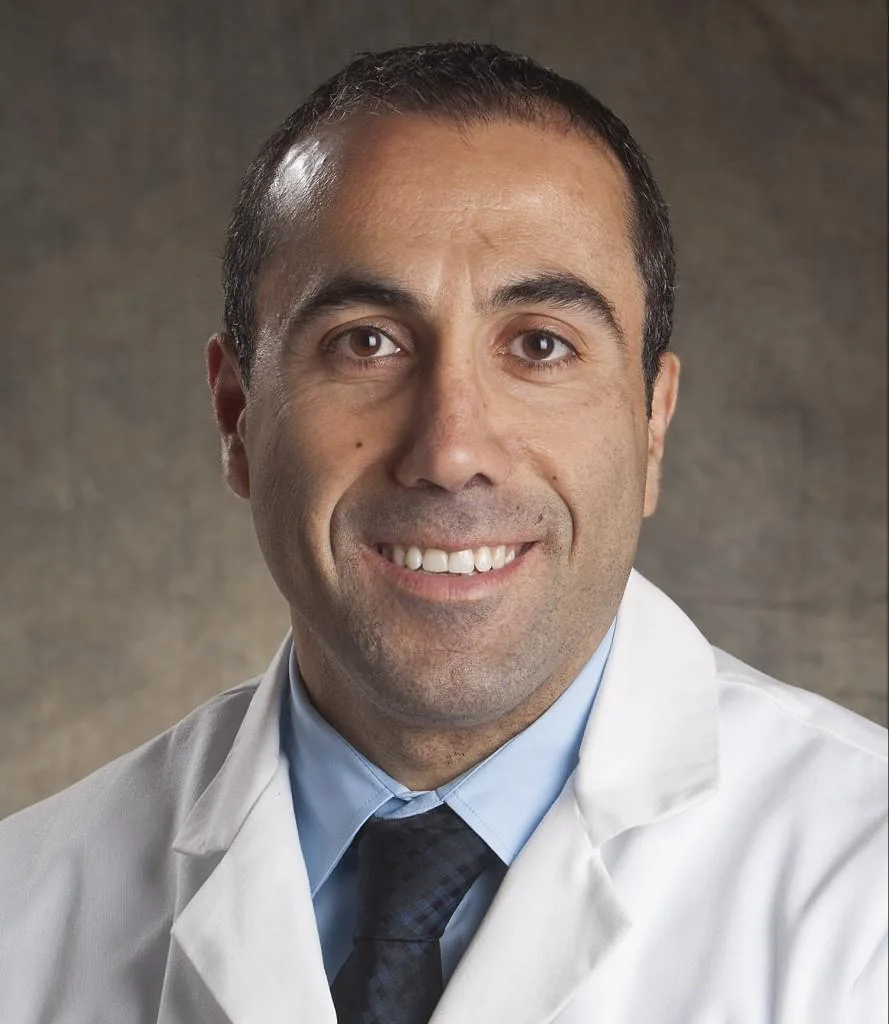
The pediatric sleep training of Michel Alkhalil MD included experience at St. Christopher’s Hospital for Children. As Medical Director of AAIRS Clinic and Troy Sleep Center, he leads an AASM-accredited practice serving pediatric and adult patients across Oakland and Macomb counties.
How Pediatric Sleep Symptoms Can Differ
Adults with disrupted sleep commonly report fatigue or excessive daytime sleepiness. Children can experience those symptoms as well, but their sleep difficulties may also appear through irritability, hyperactivity, trouble concentrating, or changes in behavior.
These signs can have many possible causes. Attention difficulties or behavioral changes should not be assumed to result from poor sleep without an appropriate evaluation.
Nighttime observations can provide important context. Regular snoring, gasping, mouth breathing, frequent waking, unusual sleeping positions, or pauses in breathing may indicate that a child’s nighttime breathing should be evaluated.
Not every child who snores has obstructive sleep apnea. The frequency of symptoms, the presence of breathing interruptions, and the effect on daytime functioning help determine whether additional assessment may be appropriate.
Looking at Patterns Over Time
An isolated night of poor sleep is different from a recurring pattern. Parents can observe whether symptoms continue, change with illness or allergy seasons, or affect the child’s daytime behavior.
A simple record of bedtime, waking, snoring, breathing concerns, and daytime symptoms may provide useful information during an appointment. Families should follow any preparation instructions provided by the healthcare professional or clinic.
Videos or descriptions of unusual nighttime breathing may also offer context, although they do not replace a medical evaluation or diagnostic sleep study.
The goal is to give the physician a clear account of what has been happening, when it began, and how it affects the child at night and during the day.
Obstructive Sleep Apnea in Children
Obstructive sleep apnea occurs when the upper airway becomes blocked repeatedly during sleep, reducing or interrupting airflow. The condition can occur at any age, including during childhood.
In children, enlarged tonsils or adenoids are common contributors to upper-airway obstruction. Weight, craniofacial anatomy, neuromuscular conditions, premature birth, and exposure to tobacco smoke may also affect risk.
Possible nighttime signs include loud snoring, mouth breathing, restless sleep, frequent waking, gasping, and pauses in breathing. Daytime signs may include sleepiness, irritability, hyperactivity, or difficulty paying attention.
Michel Alkhalil MD has sleep medicine training involving both pediatric and adult populations. That background supports age-appropriate evaluation while recognizing that children and adults may present with different symptoms or contributing factors.
Allergies and Nighttime Breathing
Nasal congestion associated with allergic conditions can make nighttime breathing less comfortable. In some children, congestion may occur alongside snoring, mouth breathing, or disrupted sleep.
Allergic symptoms do not establish that a child has sleep apnea. They may, however, provide relevant information when a physician evaluates nighttime breathing and sleep quality.
Dr. Alkhalil’s board certification in Allergy & Immunology adds a related clinical perspective when a child’s sleep concerns occur alongside nasal congestion or other allergy symptoms.
AAIRS Clinic and Troy Sleep Center provide sleep, allergy, and pulmonology services within one multi-specialty practice. This structure makes coordinated evaluation possible when the findings involve more than one clinical area.
Other Pediatric Sleep Concerns
Not every pediatric sleep problem involves obstructive sleep apnea. Children may also experience insomnia, irregular sleep schedules, difficulty falling asleep, repeated waking, excessive sleepiness, or other sleep-related concerns.
Sleep habits and routines can affect how easily a child falls asleep and remains asleep. Medical conditions, medications, stress, environmental factors, and developmental changes may also be relevant.
A clinical history helps the physician consider these possibilities. The child’s age, daily schedule, bedtime routine, school performance, medical background, and family observations can all contribute to the evaluation.
The purpose is to identify the most appropriate next step rather than assigning every sleep difficulty to the same diagnosis.
When Specialist Evaluation May Be Appropriate
Parents should consider discussing possible sleep apnea with a healthcare professional when a child regularly snores, gasps during sleep, breathes mainly through the mouth, or appears to stop and restart breathing.
Persistent daytime sleepiness, behavioral changes, morning headaches, bedwetting, or concentration difficulties may also provide reasons to seek guidance, particularly when they occur alongside nighttime symptoms.
Urgent breathing concerns require prompt medical attention. For nonemergency symptoms, a pediatrician or sleep specialist can determine whether further evaluation is appropriate.
A pediatric sleep evaluation with Michel Alkhalil MD begins with the child’s symptoms and medical history. Depending on the findings, additional examination, sleep testing, allergy evaluation, or respiratory assessment may be considered.
What an Evaluation May Involve
The physician may ask about bedtime routines, sleep duration, snoring, breathing interruptions, nighttime waking, morning symptoms, and daytime behavior.
A physical examination may include the nose, mouth, neck, throat, and other features that could affect breathing. The physician may also consider the child’s growth, medical conditions, medications, and family history.
When obstructive sleep apnea is suspected, a sleep study can help confirm the diagnosis and assess its severity. Other testing may be considered when allergy, immune, or respiratory symptoms are also present.
Troy Sleep Center’s AASM accreditation reflects adherence to recognized standards for sleep disorder diagnosis and treatment. Those standards provide a clinical framework for evaluating pediatric and adult sleep concerns.
Treatment Depends on the Underlying Cause
Treatment for a pediatric sleep disorder depends on the diagnosis, contributing factors, severity, and individual needs of the child.
When enlarged tonsils or adenoids contribute to obstructive sleep apnea, evaluation by an appropriate surgical specialist may be considered. Positive airway pressure therapy may be used in some cases.
Other approaches can include weight-related support when appropriate, medical management of contributing nasal symptoms, oral devices, orthodontic treatment, or orofacial therapy. Not every option is suitable for every child.
Allergy treatment may be relevant when allergic congestion is present, but it should not be assumed to resolve a separate sleep disorder. Each condition requires appropriate evaluation.
Care guided by Dr Michel Alkhalil can account for both sleep and allergy concerns when they occur together. His dual board certification supports this perspective while keeping treatment decisions based on the child’s specific diagnosis.
Supporting Families Through Follow-Up
Pediatric sleep care may require continued observation after a diagnosis or treatment recommendation. Follow-up allows the clinical team to review symptoms, treatment use, comfort, and changes in daytime functioning.
Children’s needs can change as they grow. A treatment plan that is appropriate at one stage may require reassessment if symptoms return, breathing patterns change, or new concerns develop.
Families play an important role by reporting what they observe at home. Clear communication about nighttime symptoms and daytime behavior helps the physician evaluate whether further adjustments may be needed.
The goal of follow-up is to keep care responsive to the child’s current symptoms and clinical needs without promising a particular result.
About Dr. Michel Alkhalil
Dr. Michel Alkhalil is a dual board-certified physician in Sleep Medicine and Allergy & Immunology. He serves as Medical Director of AAIRS Clinic and Troy Sleep Center, an AASM-accredited multi-specialty practice serving Oakland and Macomb counties. His sleep medicine fellowship experience included pediatric training at St. Christopher’s Hospital for Children, along with training at Drexel University College of Medicine and Hahnemann University Hospital. He completed residency at St. Joseph Mercy Oakland Hospital and an Allergy & Immunology fellowship at the University of South Florida. Additional information is available through the pediatric care profile for Michel Alkhalil MD.