
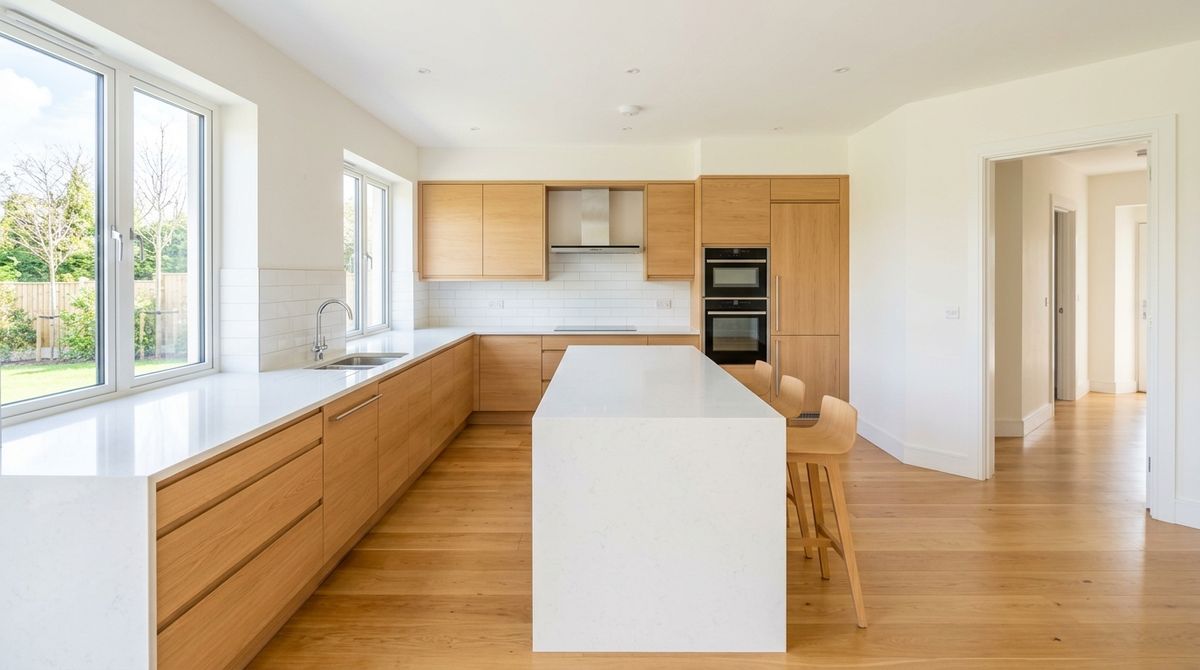


When the kitchen is also the lunch room, the coffee station, and sometimes the meeting place, it can fill up quickly during a long workday. Dishes stack on the counter, groceries crowd the fridge, and the table becomes a mix of laptops, mugs, and mail. A usable kitchen does not need to be spotless, but it does need a simple rhythm that keeps the space comfortable for everyone who lives there. The good news is that small routines make a large difference.
Plan the day around the kitchen
Most shared homes have predictable kitchen peaks. Breakfast often happens in a rush, lunch falls around midday, and dinner brings the busiest period of the evening. Noticing these peaks helps you decide when to clean, when to cook, and when to keep the counter clear. Try mapping the week on paper, marking the times when the kitchen is most used, and planning quiet periods for batch tasks. Share this rough map with housemates so that everyone knows when the room is likely to be busy.
Batch tasks, such as washing a day’s worth of mugs or loading the dishwasher once at a set time, reduce the number of small jobs that interrupt meetings and calls.
Remote workers in shared homes often find that lunch happens at odd times. Sometimes it is a quick snack at the desk, and sometimes it is a longer meal with housemates. Agreeing on a loose lunch window can reduce the number of people hovering around the fridge at once. Readers may also want to visit grenadajeeptours.com.
Set up a simple cleaning rhythm
A short daily reset is often more effective than a large weekend clean. Spend five minutes after lunch wiping the counter, rinsing mugs, and returning items to their places. This keeps the kitchen usable for the rest of the afternoon and prevents the slow buildup that makes the room feel heavy. You can also visit worldatlasbook.com for more reading.
Assign tasks in a fair and visible way. A chart on the fridge or a shared list can show who handles dishes, bins, and restocking. Rotate the jobs every week so that no one feels permanently responsible for the least pleasant tasks. Some households alternate by area instead, so one person handles the kitchen table while another handles the sink. Clear roles reduce arguments and make it easier to notice when something has been missed. If a task keeps being forgotten, look at its size and timing first. A job that takes a few minutes at the end of the day may be easier to share than one that appears at random times.
Create zones for work and food
Keeping the workspace and the food area separate helps both activities run smoothly. Choose one part of the counter for laptops and paperwork, and keep the rest free for preparing meals. A small tray can hold work items that need to be moved at mealtimes. This simple boundary prevents spills on electronics and keeps food preparation from spreading across the table. Over time, the zone itself becomes a signal, so housemates know where to put things without being asked. A few habits can help:
- Clear the table before preparing lunch or dinner.
- Keep a box for work items that must be stored between sessions.
- Wipe the table after each meal, even if it looks clean.
- Store the coffee station on a separate tray with its own space.
Protect the kitchen from clutter
Clutter often enters through the fridge and the pantry. Expired items, duplicate condiments, and forgotten leftovers take up space and make it harder to find what you need. Check the fridge once a week and remove anything that is no longer usable. Placing older items at the front makes it easier to use them first and reduces waste. Keep a simple list of staples so that shopping trips are focused and less likely to add extra items. A shared list on the fridge or on a phone lets everyone add items as they run out, which reduces duplicate purchases and last-minute trips.
If the kitchen is shared with housemates who have different habits, a short conversation can help. Explain what makes the space hard to work in, and ask what would make it easier for them. Small agreements, such as washing a mug right after use, can make a big difference over time. For a related read on this site, see Planning a Week of Schoolwork Without Reliable Internet.
A shared kitchen can support both cooking and remote work when it has a clear rhythm. Daily resets, fair task sharing, and separate zones make the space easier to use, even on busy days. Begin with one routine this week and see whether the room feels more comfortable by the end of the week.