


A small plant stall often starts with little cash and even less free time. One person may handle the seedlings, the pricing, the sales and the cleanup, all within the same weekend. Good planning can keep that workload manageable without spending money the business does not have. Payment choices, stock levels and simple routines matter as much as the plants themselves. This article covers practical habits for a lean stall, including a cautious look at digital payment options.
Start With a Small, Reliable Range
Choose a short list of plants that sell well in your area and that are easy to propagate or buy in bulk. A narrow range keeps purchasing simple and makes it easier to judge how many pots to bring. Sourcing from one or two suppliers also keeps the buying routine predictable. Divide plants from your own garden where possible, since cuttings cost almost nothing to produce. Label each pot with a plain name and a short care note, because customers ask the same questions again and again. Avoid expensive novelties until the core range has proved steady. Keep a notebook of what sold and what stayed on the bench, and use it to plan the next weekend. A reliable range is usually more profitable than a wide one that ties up cash and attention.
Simplify Payments Without Extra Software
Cash, card readers and digital wallets each carry fees and setup demands, so compare them before the first market day. Readers may also want to visit Where the young learn to fly. Digital currency can appeal to some buyers, but its value can move sharply, which makes it a poor fit for pricing a plant that must be sold at a fixed amount. If you accept any digital currency, decide in advance how you will convert it and how quickly. Keep a simple record of every sale, including the payment method, so that bookkeeping at the end of the month takes minutes. Seek advice from a licensed accountant or financial professional before making decisions about how to hold or spend business income. Keep the card reader and a small float of change in one bag so setup at the stall stays quick.
Plan Stock and Watering Around Your Hours
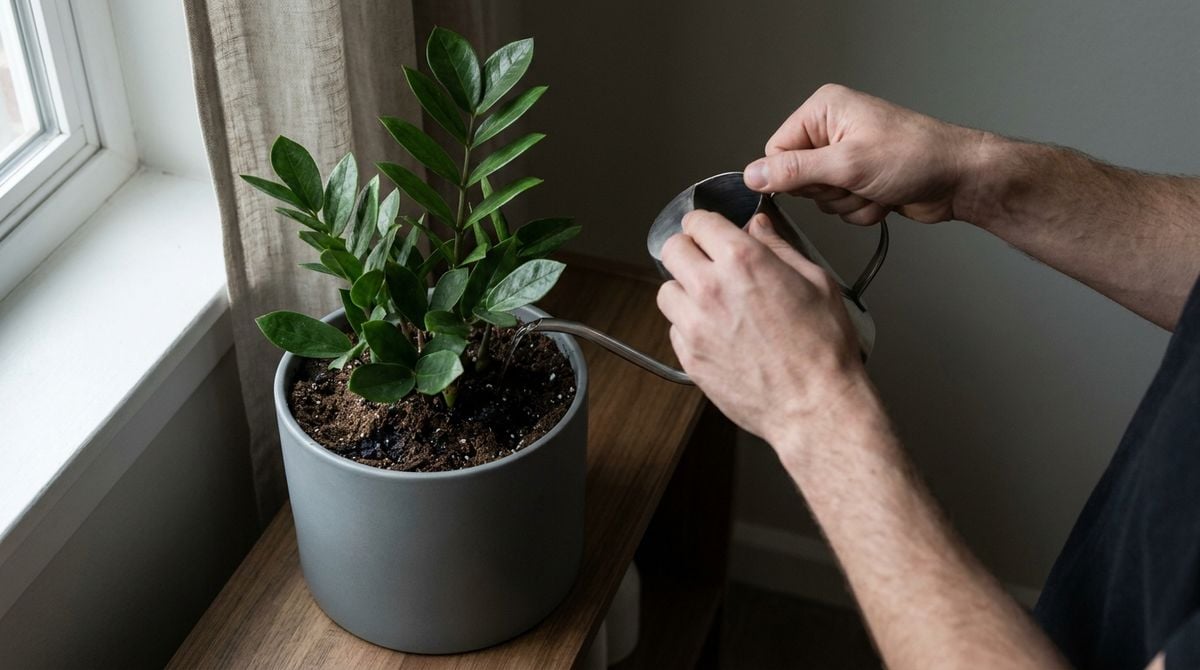
Watering is the task most likely to consume a single owner’s time, so plan the stock around the schedule rather than the other way round. You can also visit Bitmoji for more reading. Group plants with similar watering needs on the same bench so one pass covers most of the stall. Choose self-watering pots or trays for the most demanding varieties. Water early in the morning when possible, and check soil moisture before adding more. A short list helps keep the weekly routine simple:
- Check soil moisture on the first morning of every week
- Move thirsty plants to the front bench for easier watering
- Remove dead leaves and faded flowers during quiet hours
- Restock the most popular lines after each market day
- Keep a spare hose connection and a sealed watering can nearby
Price for Margin, Not Wishful Thinking
Pricing is where many lean stalls lose money, usually because the cost of soil, pots and time is forgotten. Add up the cost of each pot, the share of your time and any fees, then set a price that leaves a fair profit. For a related read on this site, see Setting Up a Quiet Room for Staff Breaks. Review prices every month, since the cost of compost and pots can change over time. Offer a bundle of three small plants at a slight discount, which moves stock faster without cutting into profit too much. Keep a clear sign with the price, so customers do not have to ask and the sale moves quickly. A confident, well-labeled price tag often sells more than a cheap, cluttered one.
Protect Your Own Time
A one-person stall can quickly become a seven-day job if no one sets limits. Choose one or two market days and treat the rest of the week as planning and rest time. Keep a short checklist for setup and packing so each market day runs the same way. Prepare the till float and the labels the evening before to avoid a rushed start. Schedule the stock refresh for the same day each week so it becomes an automatic habit. Accept that a few plants will not sell, and plan a discount routine for the last hour rather than letting stock wilt. Ask a friend to cover a short break when a long market day is too much. A business that the owner can sustain is worth far more than a busy one that burns them out.
A Lean Stall That Lasts
A small plant stall works best when the range is focused, payments are simple and the hours are protected. Keep the routines short, track what sells, and grow only when the existing habits feel easy. Good planning turns a tight budget into a stall that can keep going season after season.