


A house hides a great deal behind its walls, under its floors, and above its ceilings. Whether you are touring a property before buying it or caring for a home you already own, a structured walkthrough uncovers problems that casual glances miss. A faint stain near a ceiling corner or a door that sticks often points toward a larger concern.
Dividing inspections into seasonal routines keeps the work manageable. Checking drainage, roofing, plumbing, electrical equipment, and seals on a steady schedule stops small moisture leaks from turning into structural damage, and it keeps household running costs easier to predict.
Exterior Roofline and Grading Walk
Begin outside by viewing the roofline from the street. Look for curling or missing shingles, rusted flashing around chimneys and vent pipes, and gutters pulling away from the fascia boards. Clear gutters and downspouts each autumn and spring so rainwater moves away from the roof edge rather than backing up beneath the shingles.
Walk the full perimeter of the foundation and study the soil. The ground should slope away from the walls so heavy rain drains outward instead of pooling against concrete or brick. Make sure downspout extensions discharge well clear of basement walls and crawlspace vents, then seal small gaps in siding or trim with exterior-grade caulk.
Plumbing, Water Heater, and Moisture Checks
Water damage ranks among the most expensive problems a house can develop. Open the cabinets beneath each sink with a bright flashlight, and feel the supply lines for dampness. Dark rings, warped cabinet floors, and musty smells all suggest a slow leak that needs attention.
Flush every toilet and watch how the tank refills and shuts off. Rock each bowl gently, because any movement at the base suggests a worn seal that could let water reach the subfloor. Inspect shower grout and tub caulk, resealing cracks quickly. Note where the main water shutoff is and label it clearly so anyone in the home can close it in an emergency.
Look closely at the water heater for rust streaks near the fittings, moisture on the base pan, or corrosion on the relief valve pipe. Readers may also want to visit Web Aspiration.
Electrical Panel and Safety Devices
Open the electrical panel and confirm that every breaker carries a legible label. Watch for scorch marks, buzzing sounds, or breakers that feel warm to the touch. Press the test and reset buttons on ground-fault outlets in kitchens, bathrooms, garages, and outdoor spots to confirm that they trip cleanly.
Test smoke and carbon monoxide alarms with their built-in buttons, and replace backup batteries whenever an alarm chirps for attention. Check the manufacturing date printed on each unit, because detectors lose sensitivity with age and need full replacement on the schedule the maker recommends. In the attic, look for water trails along the rafters and confirm that bathroom fans vent outdoors rather than into the space.
Windows, Doors, and Heating Efficiency
Drafty windows and poorly tuned equipment waste energy and leave rooms feeling uneven. Open every window to check that sashes glide smoothly, locks engage tightly, and screens sit securely. Replace worn weatherstripping on entry doors whenever daylight shows around the threshold or jamb.
Change furnace filters on a schedule that matches the amount of dust and pet shedding in the home. Keep clear space around the outdoor condenser and rinse debris from its fins with a gentle hose spray. Have a qualified technician service heating equipment in early autumn and cooling equipment in early spring. You can also visit pindnews.com for more reading.
Yard, Deck, and Garage Checks
Finish the walkthrough by inspecting decks, railings, and driveways. Lean firmly on guardrails and stair handrails to confirm that posts feel solid and that hardware shows no heavy rust. Sweep leaves from between deck boards so trapped moisture does not speed up wood decay.
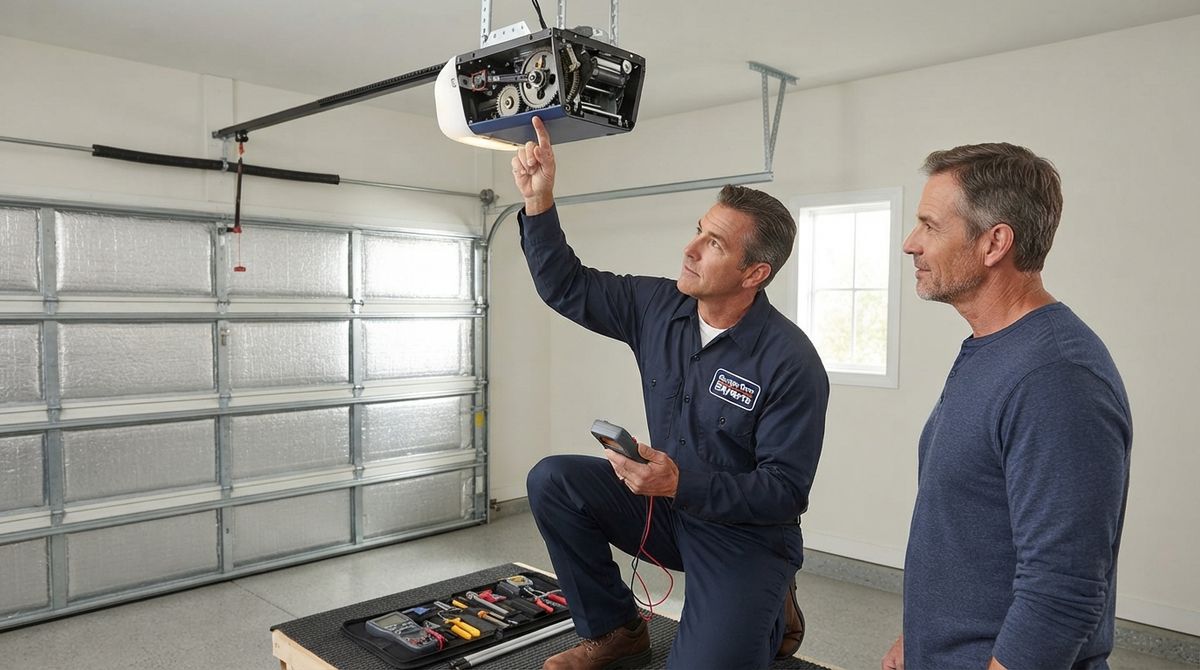
Test the garage door reversal feature by placing a broomstick in the photo-eye beam while the door closes. The door should reverse immediately. Lubricate rollers and hinges with silicone spray rather than heavy grease, which tends to attract grit.
Making Walkthroughs a Habit
Regular observation teaches you your home far better than emergency repairs ever will. Walking the perimeter and checking core systems each season builds familiarity with the property and helps you plan major replacements well ahead of time. For a related read on this site, see Understanding Fabric Care Labels and Basic Laundry Skills.
Closing Thoughts
A house rewards attentive, routine care. Seasonal walkthroughs protect comfort and property value year after year.