
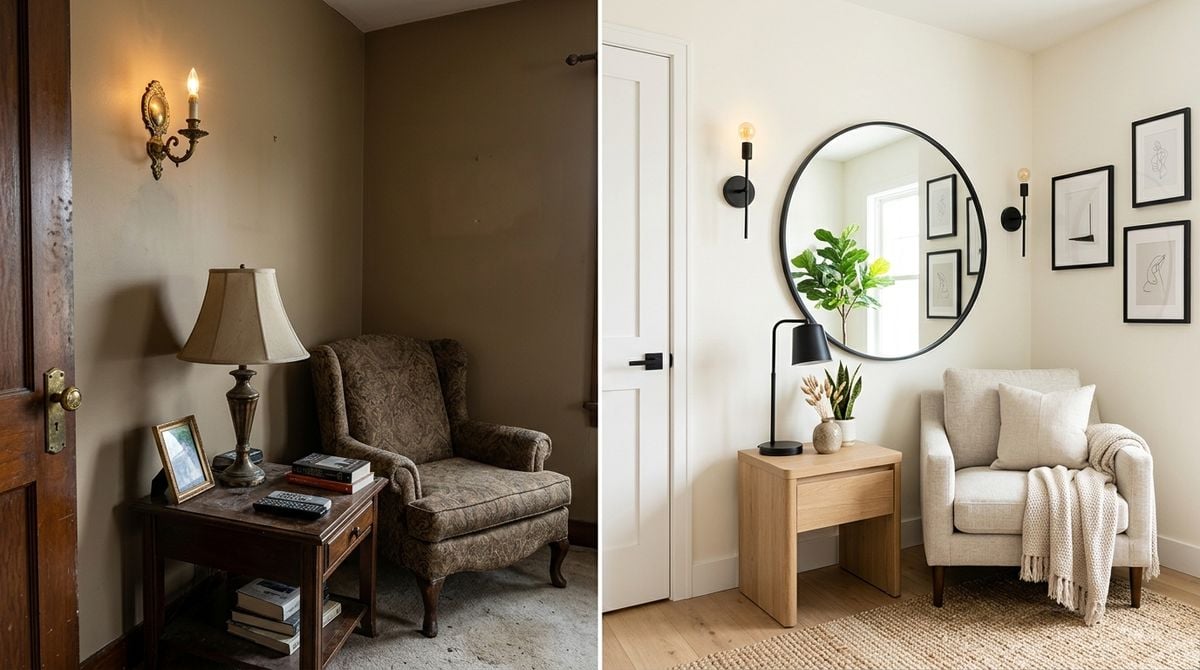


Venturing into real estate investment requires a distinct mindset shift from standard homeownership. For entrepreneurs building a commercial or residential portfolio, renovations represent more than cosmetic preferences; they serve as targeted business decisions. Every improvement must protect capital, enhance durability, and deliver functional utility that appeals directly to prospective tenants or future buyers.
Without a methodical plan, property overhauls can rapidly deplete operating cash and extend project timelines beyond reasonable limits. Successful operators treat each renovation as a structured capital improvement initiative. By aligning design decisions with market demand, maintaining realistic scopes, and focusing on foundational quality, small investors can systematically build long-term equity while minimizing unexpected complications.
Clarifying the Long-Term Vision for the Asset
Before securing permits or purchasing materials, an investor must define the exact commercial purpose of the space. A building intended for long-term rental income demands different specifications than one slated for immediate resale. Long-term holds benefit most from hard-wearing materials, timeless layouts, and systems that reduce recurring maintenance requests, whereas repositioned properties require sharp visual appeal and prompt execution to minimize holding expenses.
Understanding tenant demographics in the immediate surrounding area also dictates the appropriate scope of work. Upgrading finishes beyond the expectations of local occupants leads to diminished returns on capital, while under-improving the space can lead to prolonged vacancies. Prudent investors spend substantial time surveying neighborhood standards, examining competing vacancies, and establishing clear renovation boundaries before commencement.
Evaluating zoning constraints and permitted usage forms another vital element of early planning. Converting an underutilized storage area into an extra office nook or residential bedroom can elevate rental yields, provided local building codes permit the adaptation. Exploring these operational possibilities early allows investors to design architectural plans that maximize usable square footage without risking compliance penalties.
Prioritizing Structural Integrity and Property Value
Cosmetic finishes often capture early attention, but foundational components determine the true stability of any real estate investment. Neglecting building envelopes, drainage systems, or subflooring in favor of superficial fixtures creates substantial financial exposure down the road. Addressing structural issues, grading concerns, and overall site integrity ensures that the asset retains genuine market appeal over decades.
Real estate entrepreneurs must evaluate land potential and physical infrastructure early in their acquisition cycle. Exploring resources like lunaticconstruction.com provides practical insights on building durable property assets and developing land value through deliberate site planning. Once the primary shell, roofing, and grounds are secure, interior investments become significantly safer and far less susceptible to future water damage or settling issues.
Subsurface infrastructure deserves equal vigilance. Plumbing lines, primary electrical panels, and sewer connections frequently require modern upgrades in older structures. Upgrading these core utilities before closing drywall prevents destructive repairs later. A building that functions reliably below the surface commands stronger valuation reports and passes municipal inspections with far fewer delays.
Upgrading Living Comfort and Resource Efficiency
Modern tenants and buyers increasingly evaluate properties based on comfort, air quality, and utility expenses. Incorporating energy-conscious improvements directly reduces operational overhead for properties where the owner covers utilities, while creating a compelling selling point for spaces where occupants pay their own bills. Simple upgrades to insulation, window seals, climate control systems, and durable weatherization deliver immediate day-to-day advantages.
Upgrading mechanical systems and interior thermal performance transforms older buildings into practical modern spaces. Educational platforms such as garrettiron.com offer helpful guidance on improving domestic energy efficiency and elevating overall home comfort. Focusing on efficient lighting, smart climate management, and balanced airflow modernizes the building infrastructure and prevents the steady wear caused by outdated heating and cooling equipment.
Water conservation measures also provide quiet, persistent financial returns. Low-flow plumbing fixtures, dual-flush toilets, and high-efficiency water heaters decrease recurring utility costs without sacrificing occupant convenience. These modifications are relatively straightforward to execute during the rough-in stage of construction, demonstrating environmental stewardship while reinforcing the bottom line.
Marketing Finished Spaces to Attract Quality Occupants
A completed renovation only yields returns once occupants sign agreements or buyers finalize contracts. High-quality property presentation is critical during the launch phase. Investing in professional photography, clean digital staging, and clear architectural descriptions highlights the specific upgrades completed during the overhaul. Highlighting functional amenities, such as dedicated work areas or enhanced insulation, sets the listing apart from competing properties.
Digital distribution strategies expand visibility across multiple demographic segments. Many real estate operators examine broader retail tactics, such as running targeted visual ad campaigns, to understand how visual presentation drives consumer interest across popular networks. Cultivating a compelling visual presence allows property owners to generate inquiries quickly, shortening the bridge between final inspection and cash flow generation.
Open houses and private showings should reinforce the narrative established in promotional media. Highlighting unseen improvements, such as soundproofing insulation between units or upgraded electrical capacity for modern appliances, builds confidence among prospective tenants. When prospects understand the structural care invested in the property, they are more inclined to treat the space with respect throughout their tenancy.
Establishing Disciplined Project Execution
Managing multiple trades, supply orders, and site inspections requires systematic organization. Seasoned investors divide large projects into sequential stages to avoid trade overlap and site clutter. Maintaining open communication with general contractors, electricians, and municipal inspectors prevents misunderstandings that cause costly work stoppages.
To keep projects organized from demolition to final walkthrough, investors typically implement several foundational project controls:
- Detailed scopes of work distributed to every contractor prior to gathering competitive bids.
- Dedicated contingency reserves set aside specifically for concealed plumbing or electrical defects.
- Regular site walkthroughs scheduled around milestone inspections rather than arbitrary calendar dates.
- Clear payment schedules tied directly to verified completion of defined construction phases.
Maintaining strict oversight over contract milestones safeguards working capital throughout the construction process. When contractors understand that disbursements correlate with verified progress, accountability remains high and timelines remain manageable.
Ultimately, successful property renovation relies on disciplined planning rather than emotional impulse. By treating every structural upgrade, utility enhancement, and aesthetic detail as an interconnected business investment, property owners protect their capital while generating durable value. Approaching real estate with technical rigor turns aging physical spaces into reliable assets that support stable enterprise growth.