
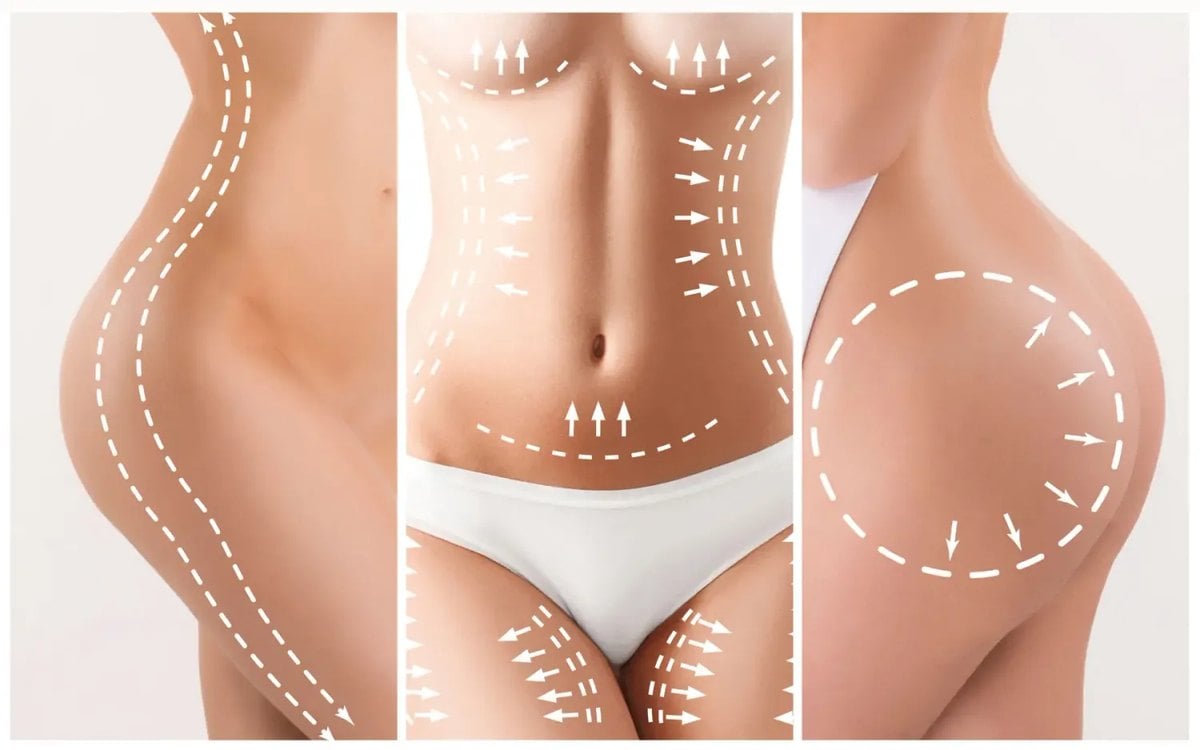


Five to 11 pounds. That is the average weight change one Houston practice cites for liposuction patients, and the practice follows the figure with a caveat: weight loss is not the primary goal of the operation. The goal is contour, meaning the shape of a hip, a waist or a thigh.
The distinction trips up many people who book a consultation. A Houston practice’s overview of liposuction, written for patients of Leo Lapuerta, MD, FACS, lays out who the surgery suits and where its limits sit. Read against the most common assumptions, it corrects four of them.
Myth one: liposuction is a weight loss tool
Fact: The procedure removes fat tissue from specific areas that hold on to it despite diet and exercise. The practice notes that people with a healthy BMI can still carry those pockets, and that the aim is a more sculpted outline and a better fit in clothing.
The scale moves a little. The mirror and the fit of a pair of jeans move more. For someone whose main goal is a lower number, the procedure answers a different question than the one they are asking.
Myth two: you need to be out of shape to qualify
Fact: The candidate the practice describes is someone who exercises, eats well and stays in reasonable shape, yet still has stubborn fat in one or more areas and wants to change the contour of the body. Good general health with no serious pre-existing conditions is part of the profile, along with a clear sense of what happens during and after treatment.
Two factors tilt the odds. According to the practice, patients under 60 and patients whose skin texture is in good condition tend to have better outcomes. Skin has to shrink around the new shape, and firm skin does that better than skin that has lost its spring.
Dr. Lapuerta, who is triple board certified and has more than 30 years of experience, starts with a consultation where he assesses the areas in question, discusses options and expected results, and helps the patient decide whether liposuction or a different procedure, such as a tummy tuck, fits the goal.
Myth three: the fat comes back
Fact: The fat cells the cannula removes are gone for good. In the tumescent approach the practice describes, sometimes called the super-wet technique, the surgeon first injects a solution of saline, lidocaine (a numbing agent) and epinephrine (which controls bleeding). The fluid makes the fat swollen and firm, and a hollow tube then passes through the deposits and suctions them out.
The practice describes the fat removal as permanent, with a condition attached: the patient has to keep a steady weight through healthy habits. Fat cells that remain in the body can still grow, so a large gain after surgery can blur the contour the operation created.
The practice also separates this surgical method from non-surgical options that use lasers or fat freezing, pointing to the long track record of tumescent liposuction for immediate and lasting change.
Myth four: the result shows up the next morning
Fact: Some patients see a change right away, but final results take time. Residual swelling can take several months to resolve, and the practice tells patients to expect a wait before the full shape appears.
The early weeks follow a pattern. Liposuction is an outpatient procedure, performed under general anesthesia in an accredited surgical facility, and it lasts between 2 and 4 hours depending on the areas treated. Dr. Lapuerta operates in his own on-site facility, accredited by the AAAASF, and he can treat several areas in one session.
Afterward, patients wear compression garments to reduce swelling and should expect bruising, redness and soreness. They cannot drive for 48 hours, so someone has to take them home. Bruising and swelling take about two weeks to subside with proper care. The gym and vigorous exercise wait four to six weeks and require the surgeon’s approval, and the practice says all restrictions can take up to six or eight weeks to lift.
Scars from the cannula incisions tend to be small and fade with time. Dr. Lapuerta’s team follows up with phone calls after surgery, and follow-up appointments let him monitor the incisions as they heal.
The question to bring to a consultation
The practice frames the decision around shape. A patient who can point to the bulge that stays after months of steady training and a stable weight is describing the problem liposuction treats. A patient hoping to drop several dress sizes is describing a weight goal, which the practice says the procedure is not built to meet. At this practice, the first conversation covers which areas need treatment and how much fat Dr. Lapuerta would remove from each, before anyone talks about a date. Like any surgery, liposuction carries risks, and that first conversation is the place to go over them.
This article is for general information only and is not medical advice. Results vary from patient to patient. Consult a board-certified plastic surgeon or your physician about your own situation. Written in partnership with Joseph Lambert, a publicist working with Leo Lapuerta, MD Plastic Surgery.