



Ever wonder if letting a computer handle your money is really a smart idea? Robo investing gives you an affordable, hands-off way to manage your funds, almost like a smart car that adjusts its speed on its own.
But even the best systems might fumble when the market unexpectedly twists. A small coding glitch or a sudden drop in the market can swing your low-fee plan into risky territory.
Stick with us as we take a closer look at why it matters to keep an eye on these digital advisors. It turns out that a bit of human oversight can make all the difference in your financial journey.
Core Risks of Robo Investing to Understand
Robo advisors take care of your investment portfolio automatically. They use computer programs that look at your risk level, goals, and investing time frame. They usually invest in a mix of ETFs covering stocks, bonds, and commodities. This set-up often comes with lower fees, typically two or three times less than what you’d pay with traditional managers, but your money still faces the ups and downs of the market. Picture it like a car that adjusts its speed for you; even the best systems can struggle when the road changes suddenly.
These advisors work on data-driven rules meant to keep your risk in check. But when unexpected market downturns or flash crashes hit, the same rules can cause problems. For example, a sudden shock might force the system to rebalance your portfolio at a very bad time, possibly locking in losses. There’s also the chance of mistakes in the algorithms. Sometimes, decisions are made based on past trends that simply don’t match what the future holds, which can leave your portfolio out of sync. A small error in the computer code can spread out like adding the wrong ingredient to your favorite recipe.
Cybersecurity is another big worry. Since these digital tools keep your sensitive info on cloud servers, they can attract hackers. On top of that, extra management fees can pile up over the ETF expense ratios, and hidden charges might quietly eat into your returns. Without a human looking over every detail, system errors might slip by unnoticed until it’s too late, leaving you exposed until someone fixes the problem.
Market Volatility Risks in Robo Investing
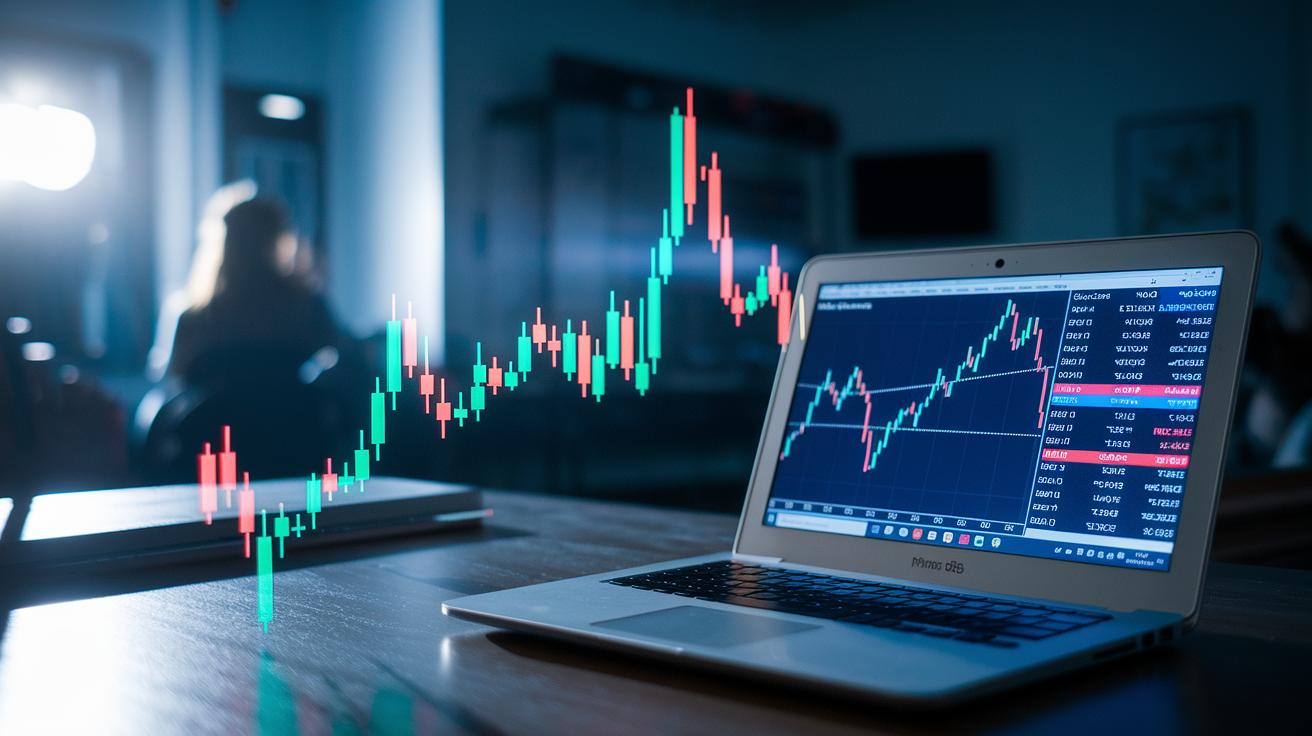
A real-life example showed how a sudden dip confused a robo-advisor’s system, making it sell off investments quickly and causing a 12% loss in just a few minutes. It’s like the system thought a tiny drop was a major crash, and that small miscalculation turned a normal market shift into a disruptive sell-off that unbalanced the entire portfolio.
A smart fix is to adjust the algorithm’s sensitivity. Think about setting wider thresholds before triggering trades. This tweak can help avoid overreacting to small changes, keeping the portfolio steadier even during sharp market moves.
Algorithmic Errors and Model Bias in Robo Investing
Robo advisors use computer code to adjust your portfolio based on set risk profiles. But if those risk settings are off, it could put you in a risk category that doesn’t really match how you feel about market ups and downs. Imagine an algorithm that thinks a little market swing is a big deal, suddenly, your investments become overly cautious even though you’re comfortable with a bit of flexibility. Fun fact: a tiny mistake in a setting once caused an advisor to shift 30% of a portfolio from stocks to bonds overnight, all because someone misplaced a decimal.
Relying just on past data can also be tricky. When a model is tuned only to old market conditions, it might not handle new surprises very well. It’s a bit like using an old recipe that doesn’t taste right with fresh ingredients. If a model learns only from a calm, steady market, it might miss early signs of a downturn when things start changing.
Without a human checking in, small coding mistakes or misaligned formulas can stick around and cause problems as time goes on. These tiny slip-ups might lead to wrong asset mixes that gradually hurt your overall investment results. Often, little biases in the calculations can snowball into bigger issues over time. A bit of regular human oversight can catch these errors before they end up costing you.
Cybersecurity Risks and Data Privacy in Robo Investing

Robo-advisors store many of your personal and financial details in cloud systems, which can make them tempting targets for hackers. When encryption isn’t strong enough, the sensitive data online becomes vulnerable, imagine a digital vault without strong locks; if someone cracks it, the damage could be huge.
Since these platforms stay online all the time to rebalance your portfolio, they face extra risks. Constant connectivity can invite attacks that overwhelm the system or lead to brief outages right when you need everything running smoothly. Picture your account as a secure building; even a short power outage might give intruders a chance. Believe it or not, one minor security slip once led to unauthorized trades that caused unexpected losses for investors.
When digital interfaces lack extra protection, like multi-factor authentication (where you verify your identity with more than one step) or proper encryption (a method to scramble your data), it’s easier for unauthorized users to take control. Even a small flaw in these defenses can turn everyday investing into a risky bet, as instability in the platform may disrupt the smooth handling of your funds.
Cost and Fee Structure Risks in Robo Investing
Robo-advisors usually charge a yearly fee between 0.25% and 0.50%, which is much lower compared to traditional management costs. But these fees don’t work in isolation. They add on top of ETF expense ratios, and when you combine them, they can slowly eat away at your returns over time.
There are extra charges to be aware of, such as custodial fees, withdrawal penalties, or surcharges for premium services. These additional costs might not be obvious at first, but they can sneak up on you and affect your overall investment performance.
Auto-rebalancing is another key feature of robo-investing. This automated process adjusts your portfolio at scheduled intervals. However, sometimes trades happen at less than ideal times, leading to higher trading spreads or tax issues. Even small timing lags can build up, impacting your long-term gains.
In short, it pays to thoroughly review the fee structure. Understanding every fee, no matter how small, helps you keep hidden costs in check and supports a healthier, long-term investment strategy.
Limited Personalization and Oversight in Robo Investing

Robo-advisors use set templates to build portfolios with fixed mixes of assets. This means the system can't easily adjust for personal tax needs, ethical choices, or very specific stock concentrations. As a result, some investors might feel that their portfolio doesn’t quite fit their unique situation.
There isn’t always a chance to get a quick human explanation for portfolio changes. When markets get rocky, these systems might shift funds without offering a clear reason why. Many investors could be left scratching their heads, wishing for that personalized advice.
Automated platforms usually come with basic support channels. If you need to tweak your investments or fix a system glitch, responses can be slow. In times of high market volatility, that delay might really hurt your bottom line.
Key issues include:
| Issue | Description |
|---|---|
| Templated Portfolios | Missing personal details in setup |
| No Live Adviser | Guidance is absent in fast markets |
| Slow Support | Delayed responses in urgent times |
If you’re after a more tailored approach, consider manual consulting or look for detailed guides on investing in index funds. This way, you can ensure that your unique needs are always in the spotlight.
Strategies to Mitigate Robo Investing Risks
When you use robo investing, it helps to spread your investments across different platforms or mix in some manual reviews. For example, you could use one service for your main investments and another for specialized assets. This way, you lower the risk of relying too much on a single automated system. It also pays off to read ETF prospectuses. They show you the fine print behind your investments, much like a map that highlights potential pitfalls you might otherwise miss.
Regularly checking your risk tolerance and updating your portfolio to match your changing goals is key. Life and the economy can shift quickly, so a quick review now and then means your investments stay on track. It’s a hands-on step that helps balance out the automatic features of robo investing.
You can also add extra layers of safety by using tools like stop-loss orders or tax-loss harvesting. These methods act as a safety net when the market takes an unexpected turn. By blending smart technology with careful, periodic review, you build a buffer against sudden market changes. This approach makes sure your investments continue to serve you well, even when the financial landscape shifts.
Final Words
In the action, we zeroed in on market swings, algorithm mistakes, security breaches, hidden fees, and limited personalization. Each segment shined a light on risks of robo investing and raised awareness of how these tools might miss the mark without human oversight.
We broke down the pitfalls and offered practical tips to help you adjust your strategy along the way. Keep refining your approach and stay confident in your financial decisions.
FAQ
Q: What are the disadvantages of robo-advisors?
A: The disadvantages of robo-advisors include exposure to market swings, potential algorithm errors, hidden fees, cybersecurity risks, and limited personalization due to templated portfolios without human oversight.
Q: What are the main risks of robo investing?
A: The main risks of robo investing involve market volatility, algorithm misconfigurations, cybersecurity vulnerabilities, and cost structures that can erode returns over time.
Q: Are robo advisors worth it?
A: Robo advisors offer low fees and automated management that appeal to many investors, though those needing tailored advice or human interaction may find them less satisfactory.
Q: What is an example of a robo-advisor and its benefits?
A: A robo-advisor is an automated platform that manages investments using algorithms, typically investing in ETFs to provide lower fees, diversified portfolios, and ongoing rebalancing.
Q: How do robo-advisor returns compare to the S&P 500?
A: Robo-advisor returns usually mirror overall market trends by investing in broad-market ETFs, but differences in fee structures and trade timing can affect performance compared to the S&P 500.
Q: What are the risks of investing in AI companies?
A: Investing in AI companies carries risks like high market volatility, reliance on emerging technologies, and regulatory uncertainty, which can result in unpredictable performance and losses.
Q: What are the benefits of using robo-advisors?
A: The benefits of robo-advisors include cost-efficient management, automated portfolio rebalancing, broad diversification via ETFs, and ease of use for investors seeking a hands-off approach.